Vaccinations are essential for preventing infectious diseases in pets. Dogs, cats, and other companion animals are exposed to viruses, bacteria, and parasites that can threaten their health. Vaccines provide protection by stimulating the immune system to fight specific pathogens. Understanding the vaccination schedule, types of vaccines, and their importance helps pet owners maintain the health of their pets. This article provides a comprehensive guide on vaccination schedules for pets, reasons for vaccinations, common vaccines, and preventive care.
Table of Contents
- Introduction
- Importance of Vaccination
- Core and Non-Core Vaccines
- Core Vaccines for Dogs
- Non-Core Vaccines for Dogs
- Core Vaccines for Cats
- Non-Core Vaccines for Cats
- Vaccination Schedule for Puppies and Kittens
- Adult Pet Vaccination Schedule
- Senior Pet Vaccination Considerations
- Vaccination for Special Circumstances
- Outdoor Pets
- Breeding Pets
- Travel or Boarding
- Common Side Effects of Vaccination
- Myths and Misconceptions About Vaccines
- Record Keeping and Monitoring
- Signs That a Pet Needs a Vet Post-Vaccination
- Preventive Measures Alongside Vaccination
- Conclusion
Introduction
Vaccination is a preventive measure that protects pets from disease. It is a critical component of routine veterinary care. Without vaccination, pets are at risk of contracting illnesses that can affect their organs, weaken their immune system, or become fatal. Vaccines help pets develop immunity against infections and reduce the spread of disease to other animals. Pet owners must follow a vaccination schedule based on age, species, lifestyle, and health condition.
Importance of Vaccination
Vaccines prevent diseases that may be contagious or severe. Some infectious diseases can spread from animal to animal or, in rare cases, from animals to humans. Vaccination reduces the risk of illness, lowers treatment costs, and improves overall quality of life. It also helps maintain public health by preventing the spread of diseases such as rabies, parvovirus, and distemper.
Vaccines stimulate the immune system to recognize and fight pathogens without causing the disease itself. Immunity may require booster shots to maintain effectiveness over time. Skipping vaccinations or delaying schedules increases the risk of infections.
Core and Non-Core Vaccines
Vaccines for pets are divided into core and non-core vaccines. Core vaccines are recommended for all pets regardless of lifestyle, while non-core vaccines are optional based on risk factors, environment, or exposure.
Core Vaccines for Dogs
Core vaccines for dogs protect against diseases that are common, severe, or contagious. These include:
- Rabies: Protects against a fatal virus that affects the nervous system. Required by law in many regions.
- Distemper: Prevents a viral disease that affects the respiratory, gastrointestinal, and nervous systems.
- Parvovirus: Prevents a virus that causes severe gastrointestinal illness, especially in puppies.
- Adenovirus (Canine Hepatitis): Prevents liver infection and respiratory symptoms.
Non-Core Vaccines for Dogs
Non-core vaccines are given based on lifestyle or environmental risk. These include:
- Bordetella bronchiseptica: Protects against kennel cough, recommended for dogs in boarding or daycare.
- Leptospirosis: Protects against bacterial infection transmitted by contaminated water or wildlife.
- Lyme disease: Recommended in areas with a high tick population.
- Canine influenza: Recommended in regions with outbreaks or high exposure risk.
Core Vaccines for Cats
Core vaccines for cats protect against common and severe diseases. These include:
- Rabies: Prevents a fatal disease affecting the nervous system. Required by law in many regions.
- Feline Herpesvirus: Protects against respiratory infections causing sneezing and eye discharge.
- Feline Calicivirus: Prevents respiratory disease and oral ulcers.
- Feline Panleukopenia: Protects against severe gastrointestinal infection and immune suppression.
Non-Core Vaccines for Cats
Non-core vaccines are given based on risk factors and lifestyle. These include:
- Feline Leukemia Virus (FeLV): Recommended for outdoor cats or cats in multi-cat households.
- Feline Immunodeficiency Virus (FIV): Recommended for high-risk cats with outdoor exposure or fighting risk.
- Chlamydia: Protects against conjunctivitis in multi-cat environments.
- Bordetella: Protects against respiratory infection in high-density cat housing.
Vaccination Schedule for Puppies and Kittens
Young pets require a series of vaccinations to develop immunity. The timing and frequency depend on species and breed.
Puppies
- 6-8 weeks: First dose of distemper, parvovirus, adenovirus
- 10-12 weeks: Second dose of core vaccines
- 14-16 weeks: Third dose of core vaccines, optional non-core vaccines
- 16+ weeks: Rabies vaccination according to local regulations
- 12 months: Booster shots for all core vaccines
Kittens
- 6-8 weeks: First dose of feline herpesvirus, calicivirus, panleukopenia
- 10-12 weeks: Second dose of core vaccines, optional non-core vaccines
- 14-16 weeks: Third dose of core vaccines, rabies vaccination
- 12 months: Booster shots for all core vaccines
Adult Pet Vaccination Schedule
Adult pets require booster vaccinations to maintain immunity. The schedule varies based on previous vaccination history, lifestyle, and risk exposure.
- Core vaccines: Boosters every 1 to 3 years depending on the vaccine and local regulations
- Non-core vaccines: Administered as needed based on risk assessment by a veterinarian
- Rabies: Typically boosted every 1 to 3 years based on law and veterinary recommendation
Senior Pet Vaccination Considerations
Senior pets may have weakened immune systems or chronic illnesses. Vaccination should be evaluated carefully.
- Core vaccines are generally continued to maintain protection
- Non-core vaccines are considered based on exposure risk
- Veterinarians may adjust timing or dosage based on health status
Vaccination for Special Circumstances
Certain situations require additional or adjusted vaccination schedules.
Outdoor Pets
Pets that spend time outdoors are exposed to more pathogens. Non-core vaccines such as FeLV for cats and leptospirosis or Lyme for dogs are recommended.
Breeding Pets
Breeding dogs or cats may require updated vaccinations to prevent disease transmission to offspring.
Travel or Boarding
Pets that travel or stay in boarding facilities may require non-core vaccines such as Bordetella or canine influenza for dogs and Chlamydia or Bordetella for cats.
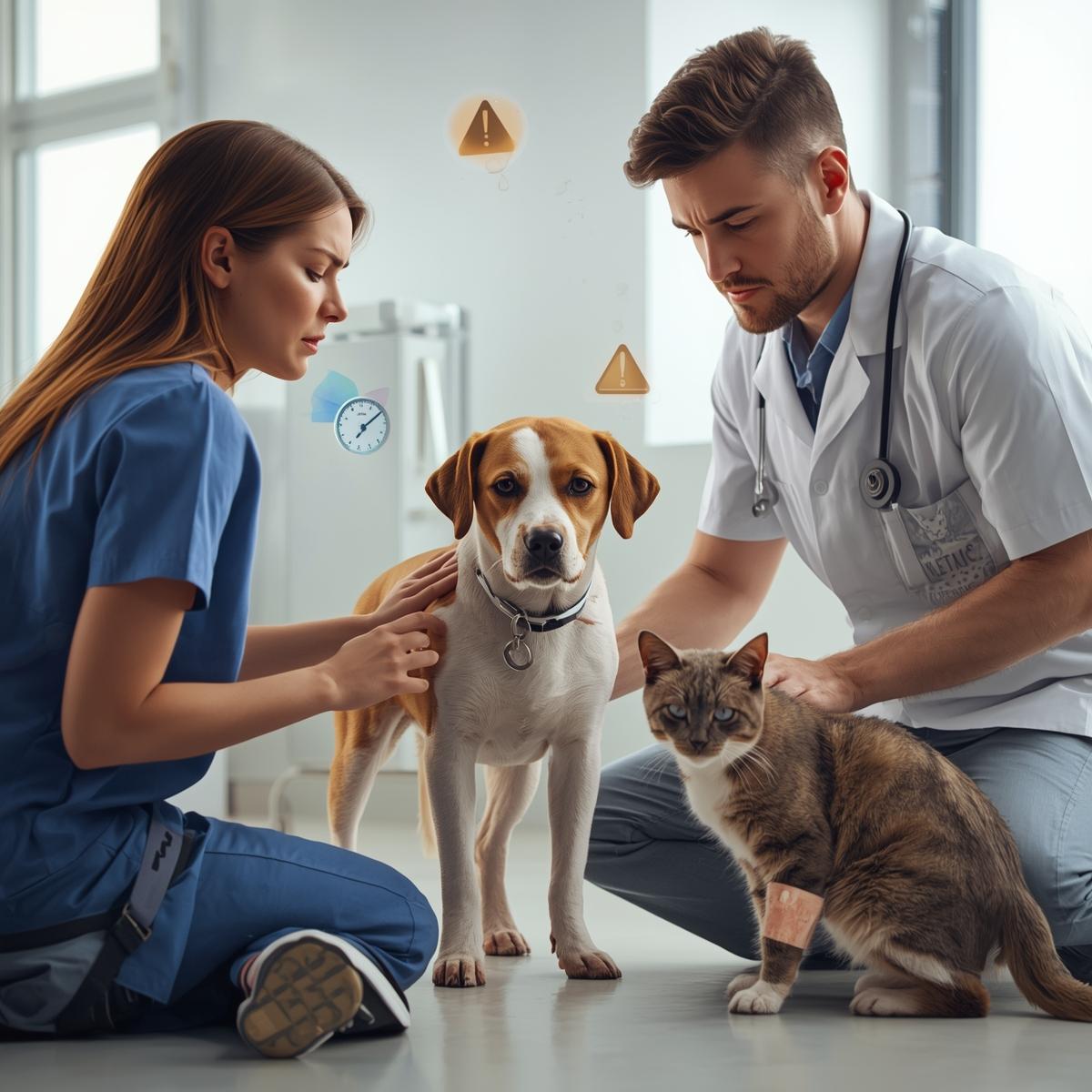
Common Side Effects of Vaccination
Most pets tolerate vaccines well. Mild side effects may occur and usually resolve within 24 to 48 hours.
- Mild lethargy
- Slight fever
- Swelling or soreness at the injection site
- Sneezing or mild nasal discharge in cats
Serious reactions are rare but require immediate veterinary attention:
- Severe allergic reaction (hives, difficulty breathing)
- Persistent vomiting or diarrhea
- Collapse or seizure
Myths and Misconceptions About Vaccines
Several myths about vaccines can cause hesitation among pet owners.
- “Vaccines are not necessary for indoor pets”: Indoor pets can still be exposed through contact with humans, other animals, or contaminated objects.
- “Vaccines cause illness”: Mild side effects are temporary. Serious adverse effects are rare and manageable.
- “Older pets do not need vaccines”: Core vaccines remain important to maintain immunity.
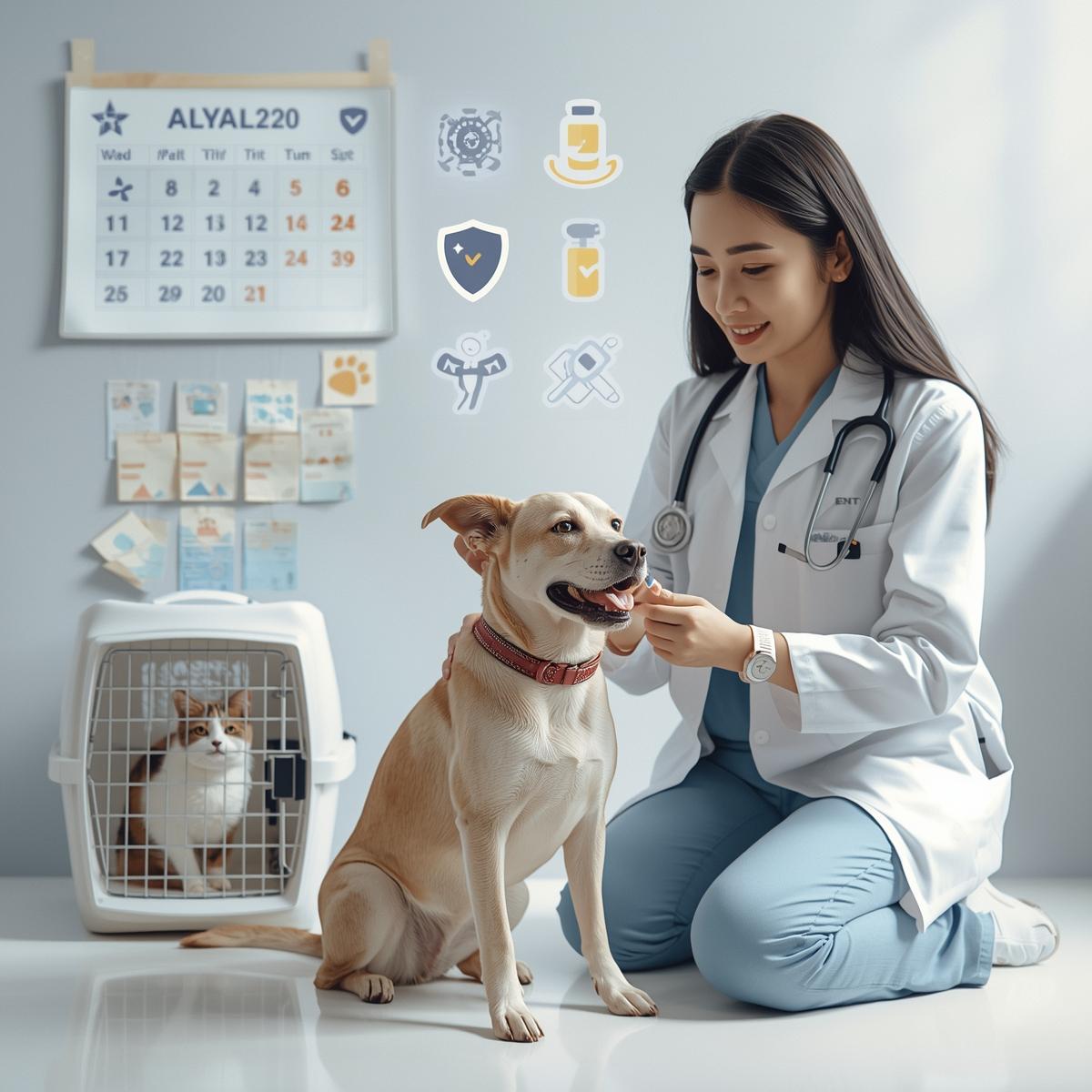
Record Keeping and Monitoring
Keeping a vaccination record helps track the pet’s immunization history and ensures timely boosters.
- Maintain a paper or digital vaccination record
- Include vaccine name, date administered, and next scheduled dose
- Share records with boarding facilities, groomers, or new veterinarians
Signs That a Pet Needs a Vet Post-Vaccination
Most vaccines are safe, but owners should monitor for unusual signs after vaccination:
- Persistent lethargy
- Vomiting or diarrhea lasting more than 24 hours
- Swelling or lump at injection site
- Signs of allergic reaction such as difficulty breathing or hives
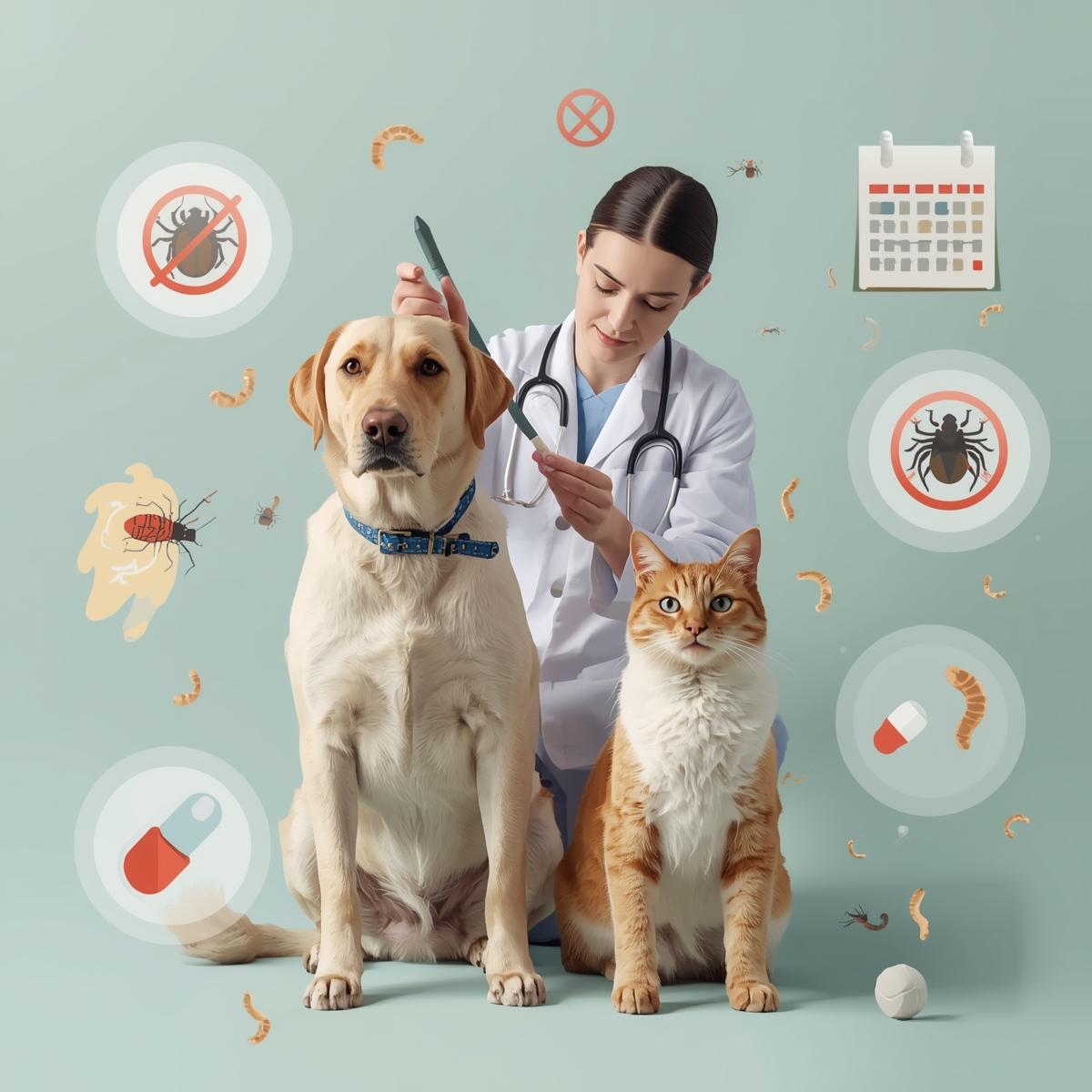
Preventive Measures Alongside Vaccination
Vaccination is one part of preventive care. Other measures include:
- Balanced nutrition to support immunity
- Regular exercise to maintain health
- Parasite control to prevent infections
- Routine veterinary checkups for early detection of disease
Conclusion
Vaccination is a key component of preventive care for pets. A proper vaccination schedule protects dogs, cats, and other pets from contagious and severe diseases. Core vaccines are essential for all pets, while non-core vaccines depend on lifestyle and risk exposure. Puppies, kittens, adult pets, and senior animals require vaccines at different stages of life. Monitoring for side effects and keeping accurate records ensures safety and compliance. Preventive care, including nutrition, exercise, and parasite control, complements vaccination. Following the recommended schedule helps maintain pet health, prevent disease, and reduce the risk of infection in households and communities.