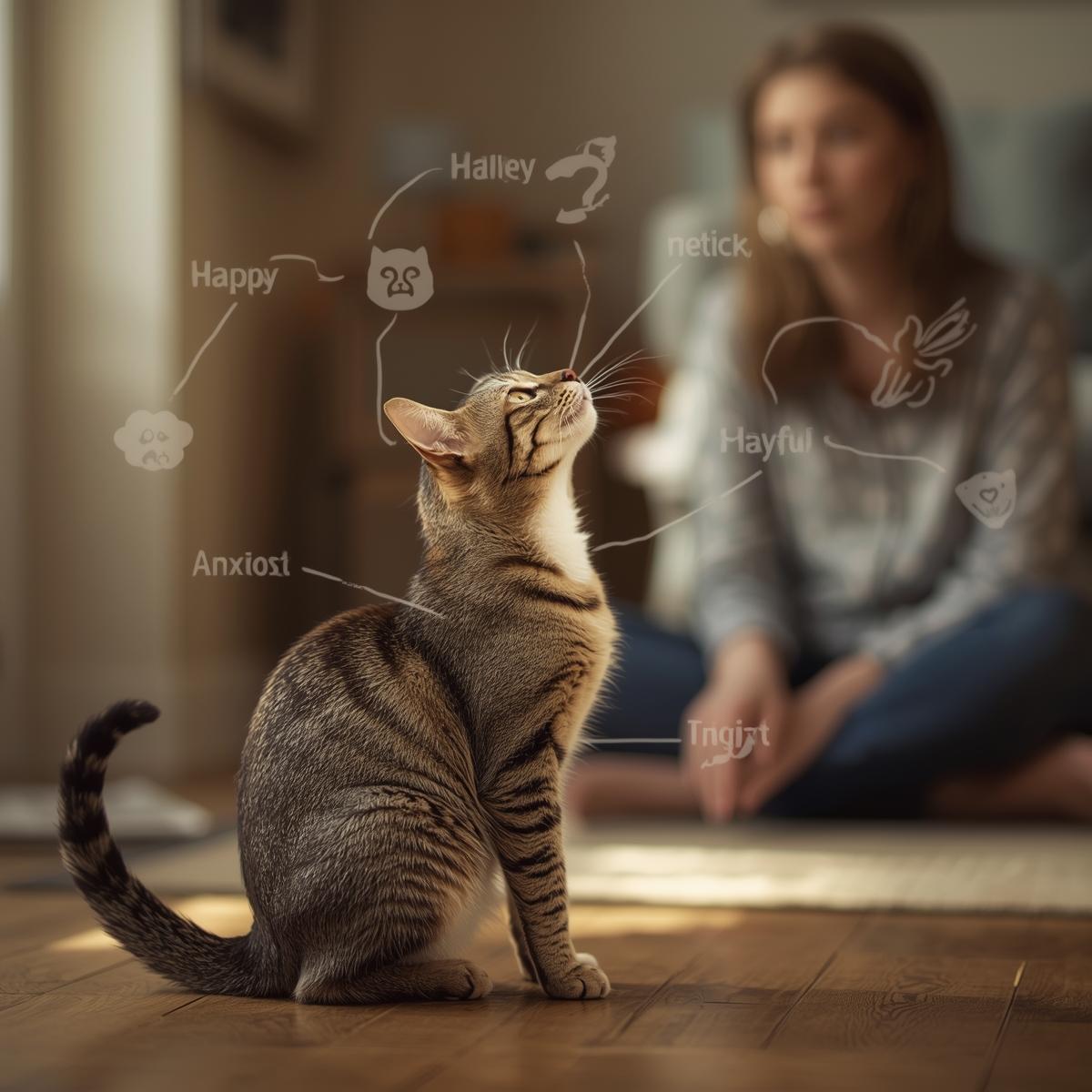
Cats communicate primarily through body language, vocalizations, and subtle behaviors. Understanding these signals is essential for owners to respond appropriately, prevent stress, and strengthen the bond with their cats. Misinterpreting body language can lead to accidental aggression, fear, or anxiety in cats. This guide provides a detailed overview of cat body language, covering posture, tail movements, ear positions, facial expressions, vocalizations, and behavioral cues.
Table of Contents
- Introduction
- Importance of Understanding Cat Body Language
- General Principles of Cat Communication
- Tail Language
- Ear Positions and Movements
- Eye Contact and Pupil Size
- Facial Expressions
- Whisker Positions
- Posture and Body Positioning
- Vocalizations and Their Meaning
- Purring, Meowing, and Hissing
- Signs of Stress and Anxiety
- Signs of Aggression
- Signs of Playfulness
- Signs of Affection and Comfort
- Understanding Cat Grooming Behavior
- Cat Sleeping Positions and Interpretation
- Body Language in Multi-Cat Households
- Interpreting Changes in Behavior
- Conclusion
Introduction
Cats are subtle communicators that rely heavily on body signals to convey their feelings and intentions. Unlike dogs, cats often use small movements, posture changes, and facial expressions to express their emotions. Learning to read these signals helps owners provide appropriate care, avoid conflicts, and ensure a safe and harmonious environment.
Importance of Understanding Cat Body Language
- Prevents misunderstandings and accidental injuries
- Reduces stress for cats and owners
- Supports training and behavioral management
- Helps detect illness, pain, or discomfort
- Strengthens the human-cat bond
General Principles of Cat Communication
- Cats communicate through posture, facial expressions, tail movement, ears, eyes, whiskers, and vocalizations
- Each signal can have multiple meanings depending on context
- Combining multiple cues provides the most accurate understanding
Tail Language
- Upright tail: Indicates confidence, contentment, or greeting
- Puffed tail: Sign of fear or aggression
- Low or tucked tail: Shows anxiety, submission, or discomfort
- Tail twitching: Can indicate irritation or focus during play or hunting
- Slow swaying: Often a sign of concentration or mild annoyance
Ear Positions and Movements
- Ears forward: Attentive, curious, or relaxed
- Ears sideways or “airplane ears”: Signals irritation or alertness
- Ears flat against head: Sign of fear, aggression, or stress
- Rotating ears: Indicates scanning of surroundings or heightened alertness
Eye Contact and Pupil Size
- Slow blinking: Sign of trust and relaxation
- Direct stare: Can indicate challenge or interest
- Dilated pupils: May indicate excitement, fear, or arousal
- Constricted pupils: Can signal aggression or focus
Facial Expressions
- Relaxed face: Eyes half-closed, whiskers forward, calm mouth
- Tense face: Furrowed brow, whiskers back, lips tight
- Open mouth breathing or panting: Can indicate stress, overheating, or illness
Whisker Positions
- Forward whiskers: Curiosity, interest, or hunting
- Backward whiskers: Fear, discomfort, or aggression
- Relaxed whiskers: Neutral state
Posture and Body Positioning
- Arched back: Defensive or aggressive stance
- Crouched low: Fearful, submissive, or preparing to pounce
- Rolling on back: Can indicate trust, playfulness, or defensive posture
- Stretched out: Comfortable and relaxed
Vocalizations and Their Meaning
Cats use various sounds to communicate:
- Meowing: Usually directed at humans for attention, food, or requests
- Purring: Often signals contentment, but can also indicate stress or pain
- Hissing and growling: Warning or defensive signals
- Chirping or trilling: Often used during hunting play or greeting
Purring, Meowing, and Hissing
- Purring: Can indicate comfort, relaxation, or seeking reassurance
- Meowing: Frequency, tone, and duration convey different messages
- Hissing: Defensive reaction to threats or discomfort
- Spitting: Aggression or fear
Signs of Stress and Anxiety
- Excessive grooming or hair pulling
- Hiding or avoiding interaction
- Over-vocalization or aggression
- Litter box accidents
- Changes in eating or sleeping patterns
Signs of Aggression
- Stiff body, ears back, tail puffed
- Growling, hissing, or spitting
- Swatting or biting
- Staring with constricted pupils
Signs of Playfulness
- Pouncing or stalking movements
- Quick tail swishing
- Light swatting with paws
- Playful vocalizations
Signs of Affection and Comfort
- Head-butting or rubbing against humans
- Kneading with paws
- Slow blinking
- Curling up next to humans or other cats
Understanding Cat Grooming Behavior
- Grooming communicates comfort, hygiene, or stress
- Over-grooming may indicate anxiety or medical issues
- Mutual grooming between cats strengthens social bonds
Cat Sleeping Positions and Interpretation
- Curled up: Feeling secure or conserving warmth
- Stretched out: Comfortable and relaxed
- Exposed belly: Trusting environment or feeling safe
- Tucked paws: Neutral or slightly alert
Body Language in Multi-Cat Households
- Monitor tail positions, ear movements, and posture to detect conflicts
- Identify dominant and submissive behaviors
- Use body language cues to prevent fights or stress
Interpreting Changes in Behavior
- Sudden changes may indicate pain, illness, or stress
- Observe combinations of signals for accurate interpretation
- Consult a veterinarian if behavior changes are persistent or severe
Conclusion
Understanding cat body language is essential for building a healthy, harmonious relationship with cats. Observing posture, tail movements, ear positions, facial expressions, whiskers, and vocalizations allows owners to respond appropriately to their cats’ needs. Recognizing signs of stress, aggression, playfulness, or affection improves care, prevents conflicts, and supports early detection of health issues. By learning to interpret these signals, owners can enhance communication, ensure a safe environment, and strengthen the bond with their cats.