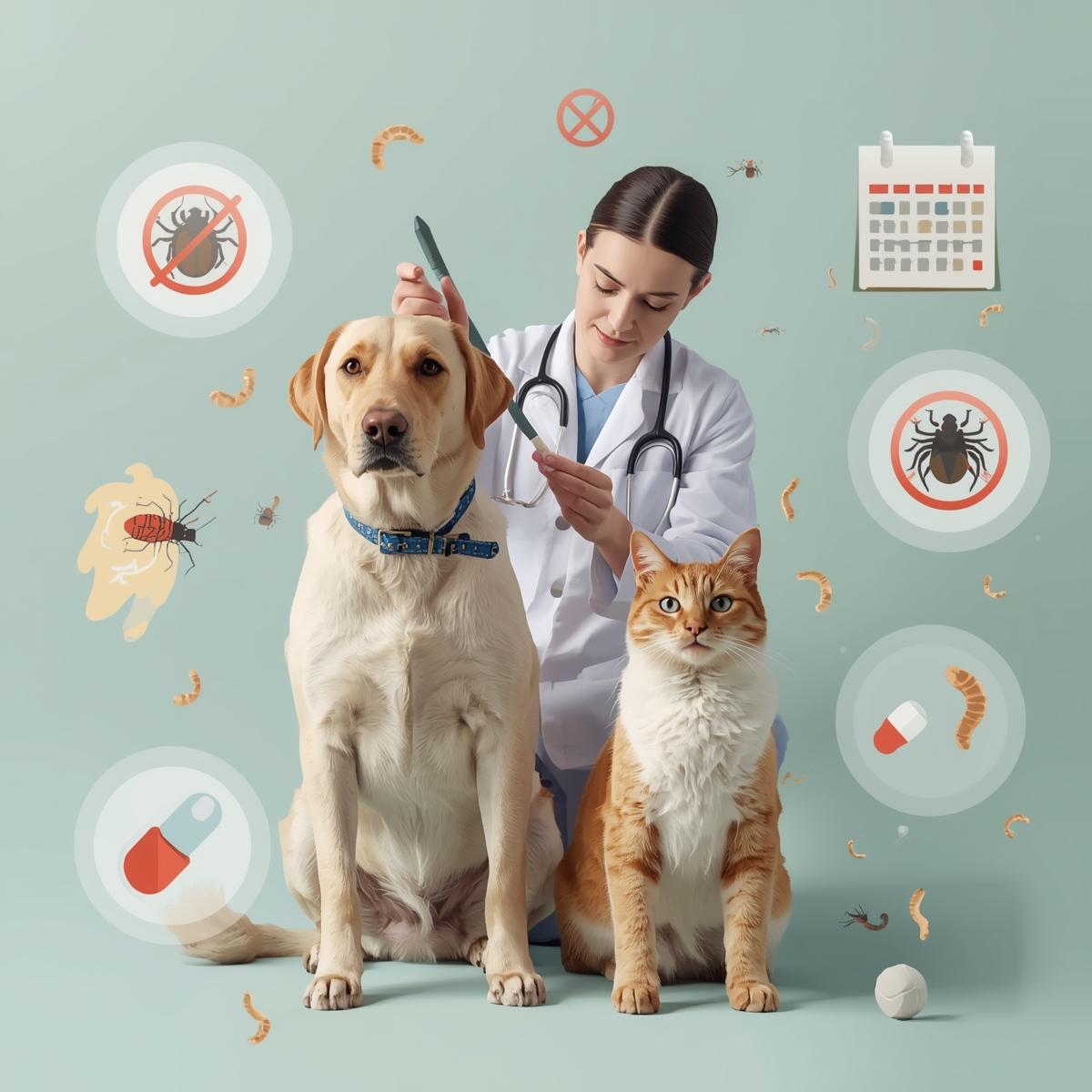
Pets are an important part of the family. Caring for a pet involves not only feeding and exercise but also monitoring their health. Animals cannot speak, so recognizing signs that indicate a health problem is essential. Early detection and timely veterinary care can prevent serious complications. This article provides a comprehensive guide on signs that indicate your pet needs a vet visit, common underlying causes, and preventive steps for maintaining health.
Table of Contents
- Introduction
- Behavioral Changes
- Loss of Appetite
- Lethargy
- Aggression or Irritability
- Excessive Hiding
- Digestive System Signs
- Vomiting
- Diarrhea
- Constipation
- Changes in Eating Habits
- Respiratory Symptoms
- Coughing
- Sneezing
- Difficulty Breathing
- Urinary and Reproductive Signs
- Changes in Urination
- Straining to Urinate or Defecate
- Blood in Urine
- Skin and Coat Changes
- Excessive Scratching or Licking
- Hair Loss
- Sores or Rashes
- Unusual Odor
- Eyes, Ears, and Mouth
- Discharge or Redness
- Swelling
- Bad Breath
- Pain or Sensitivity
- Pain or Mobility Issues
- Limping
- Stiffness
- Difficulty Rising or Moving
- Neurological and Other Warning Signs
- Seizures
- Uncoordinated Movements
- Disorientation
- Preventive Care and Monitoring
- Routine Checkups
- Vaccinations
- Nutrition
- Exercise and Mental Stimulation
- First Aid and Emergency Preparedness
- Conclusion
Introduction
Pets rely on their owners for care and protection. They cannot explain discomfort or illness, so owners must observe behavior, appearance, and habits. Recognizing subtle or obvious changes is crucial. Delayed veterinary care can lead to worsening conditions. Understanding warning signs empowers owners to act quickly and maintain the pet’s health.
Behavioral Changes
Behavior changes are often the first indication of illness. Monitoring behavior provides insight into physical or emotional discomfort.
Loss of Appetite
A sudden decrease in appetite can indicate gastrointestinal issues, dental problems, or infections. Long-term reduced food intake may lead to weakness and weight loss.
Actions:
- Note when the appetite changes occur.
- Monitor for additional symptoms like vomiting or diarrhea.
- Schedule a veterinary examination if loss of appetite persists for more than 24-48 hours.
Lethargy
Reduced activity or reluctance to move may signal underlying problems such as infections, pain, or organ issues. Pets normally show curiosity and activity. Lethargy indicates that energy levels are reduced.
Actions:
- Track activity levels daily.
- Compare behavior to normal routines.
- Seek veterinary advice if lethargy continues for more than a day or is accompanied by other symptoms.
Aggression or Irritability
Pets experiencing discomfort may become aggressive or irritable. Changes in temperament can be linked to pain, stress, or neurological problems.
Actions:
- Avoid forcing interaction if the pet is irritable.
- Note the onset and frequency of aggressive behavior.
- Consult a veterinarian to rule out medical causes.
Excessive Hiding
Hiding can indicate stress, fear, or illness. Pets may isolate themselves when feeling unwell or in pain.
Actions:
- Observe hiding locations and duration.
- Check for physical signs of injury or discomfort.
- Schedule a veterinary visit if hiding is accompanied by other concerning signs.
Digestive System Signs
Digestive issues are common in pets and can range from mild to severe.
Vomiting
Occasional vomiting may occur due to minor issues, but persistent or repeated vomiting signals a health problem. Causes include infections, dietary indiscretion, toxins, or organ dysfunction.
Actions:
- Monitor the frequency and appearance of vomit.
- Note any blood or unusual color.
- Seek veterinary care if vomiting occurs more than once or is severe.
Diarrhea
Diarrhea can lead to dehydration and may indicate infections, dietary changes, parasites, or digestive disorders.
Actions:
- Track duration and consistency.
- Ensure access to water to prevent dehydration.
- Consult a veterinarian if diarrhea persists more than 24-48 hours or contains blood.
Constipation
Difficulty passing stool may indicate dehydration, dietary fiber deficiency, or obstruction.
Actions:
- Monitor bowel movements daily.
- Adjust diet as recommended by a veterinarian.
- Seek veterinary care if constipation lasts longer than 48 hours or is accompanied by straining and discomfort.
Changes in Eating Habits
Sudden overeating, selective eating, or refusing specific foods can indicate dental, digestive, or metabolic issues.
Actions:
- Track food intake and behavior.
- Introduce diet changes gradually.
- Consult a veterinarian for persistent changes.
Respiratory Symptoms
Respiratory issues can affect oxygen intake and overall health.
Coughing
Persistent coughing may indicate respiratory infection, heart disease, or foreign objects.
Actions:
- Note duration and type of cough.
- Monitor for additional symptoms like lethargy or nasal discharge.
- Consult a veterinarian for persistent or severe coughing.
Sneezing
Frequent sneezing can result from allergies, infections, or irritants.
Actions:
- Track frequency and triggers.
- Check for nasal discharge, color, or odor.
- Schedule a veterinary exam if sneezing is persistent or accompanied by other symptoms.
Difficulty Breathing
Labored breathing, rapid panting, or wheezing indicates an urgent problem.
Actions:
- Limit physical activity.
- Ensure access to fresh air.
- Seek immediate veterinary care.
Urinary and Reproductive Signs
Changes in urinary or reproductive habits often indicate infections, blockages, or organ issues.
Changes in Urination
Frequent urination, accidents, or reduced output may signal urinary tract infection, kidney issues, or diabetes.
Actions:
- Track frequency, volume, and appearance.
- Schedule a veterinary visit for persistent changes.
Straining to Urinate or Defecate
Difficulty passing urine or stool may indicate obstruction, constipation, or other medical conditions.
Actions:
- Avoid home remedies unless recommended by a veterinarian.
- Seek immediate care for straining with no results.
Blood in Urine
Blood in urine may indicate infection, stones, or organ damage.
Actions:
- Document the occurrence.
- Contact a veterinarian promptly.
Skin and Coat Changes
Skin and coat provide visible indications of health issues.
Excessive Scratching or Licking
Persistent scratching or licking may indicate parasites, allergies, or infections.
Actions:
- Inspect the skin for fleas, ticks, or rashes.
- Use veterinarian-recommended treatments.
- Schedule a veterinary visit if behavior persists.
Hair Loss
Sudden or patchy hair loss can signal hormonal imbalance, infections, or stress.
Actions:
- Monitor the extent and pattern.
- Consult a veterinarian for testing and treatment.
Sores or Rashes
Open sores or rashes may indicate infection or allergic reaction.
Actions:
- Avoid applying human creams.
- Schedule a veterinary visit.
Unusual Odor
Persistent odor may indicate infection, dental disease, or skin problems.
Actions:
- Observe source of odor.
- Consult a veterinarian for diagnosis.
Eyes, Ears, and Mouth
Monitoring sensory organs helps detect infections or systemic issues.
Discharge or Redness
Eye or ear discharge and redness indicate irritation or infection.
Actions:
- Avoid self-medication with human products.
- Seek veterinary care.
Swelling
Swelling around the eyes, mouth, or ears may indicate allergic reactions, injury, or infection.
Actions:
- Document location and duration.
- Contact a veterinarian.
Bad Breath
Persistent bad breath can signal dental disease or systemic illness.
Actions:
- Brush teeth if trained.
- Schedule professional dental checkups.
Pain or Sensitivity
Avoid touching areas that cause discomfort. Pain may indicate injury or infection.
Pain or Mobility Issues
Physical discomfort often manifests as changes in movement.
Limping
Limping or favoring one leg may indicate injury, arthritis, or joint disease.
Actions:
- Limit activity.
- Schedule a veterinary evaluation.
Stiffness
Difficulty moving or stiffness can indicate arthritis, muscle strain, or systemic illness.
Actions:
- Observe for improvement or worsening.
- Consult a veterinarian.
Difficulty Rising or Moving
Pets that struggle to rise may have muscular or neurological issues.
Actions:
- Provide support as needed.
- Seek professional care.
Neurological and Other Warning Signs
Serious health issues may affect coordination or consciousness.
Seizures
Seizures may indicate neurological problems, toxins, or metabolic disorders.
Actions:
- Note duration and frequency.
- Seek immediate veterinary care.
Uncoordinated Movements
Loss of balance, wobbling, or stumbling indicates neurological issues.
Actions:
- Observe carefully.
- Contact a veterinarian.
Disorientation
Confusion, aimless walking, or staring indicates serious health problems.
Actions:
- Monitor closely.
- Seek veterinary assessment.
Preventive Care and Monitoring
Routine care prevents many health problems.
Routine Checkups
Regular veterinary exams allow early detection of disease.
Vaccinations
Follow recommended schedules to prevent infections.
Nutrition
Provide balanced diets and monitor weight.
Exercise and Mental Stimulation
Promote healthy weight and prevent behavioral issues.
First Aid and Emergency Preparedness
Pet owners should know basic first aid and emergency contacts.
- Control bleeding with clean cloth or bandage.
- Stabilize injured pets.
- Avoid giving human medications unless directed.
- Keep emergency veterinary contacts accessible.
Conclusion
Recognizing signs that indicate a pet needs a veterinary visit is essential. Behavioral changes, digestive issues, respiratory problems, urinary concerns, skin or coat issues, sensory organ symptoms, pain, and neurological signs all require attention. Early veterinary intervention prevents complications and ensures the pet’s well-being. Routine preventive care, observation, and timely action allow pets to live long and healthy lives.