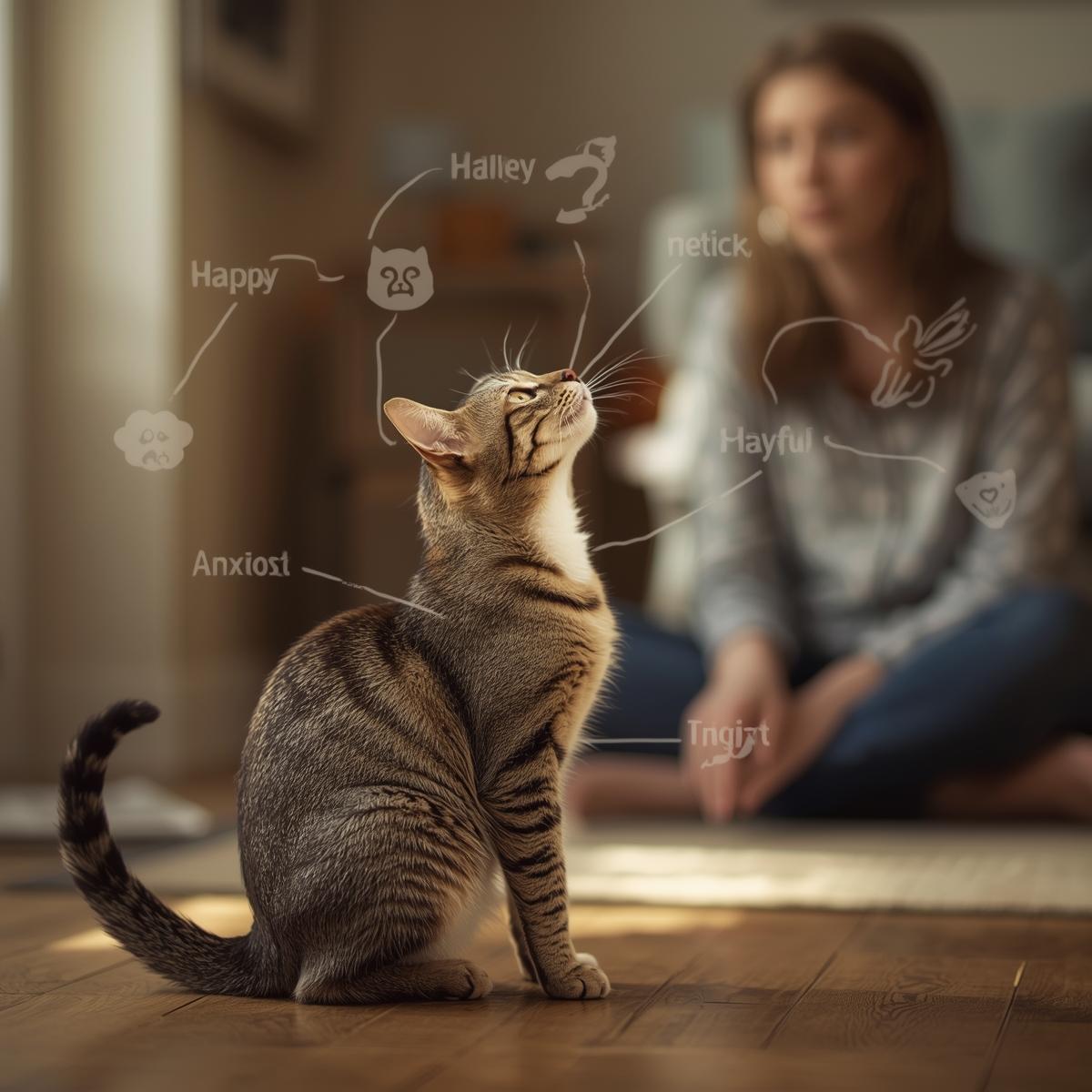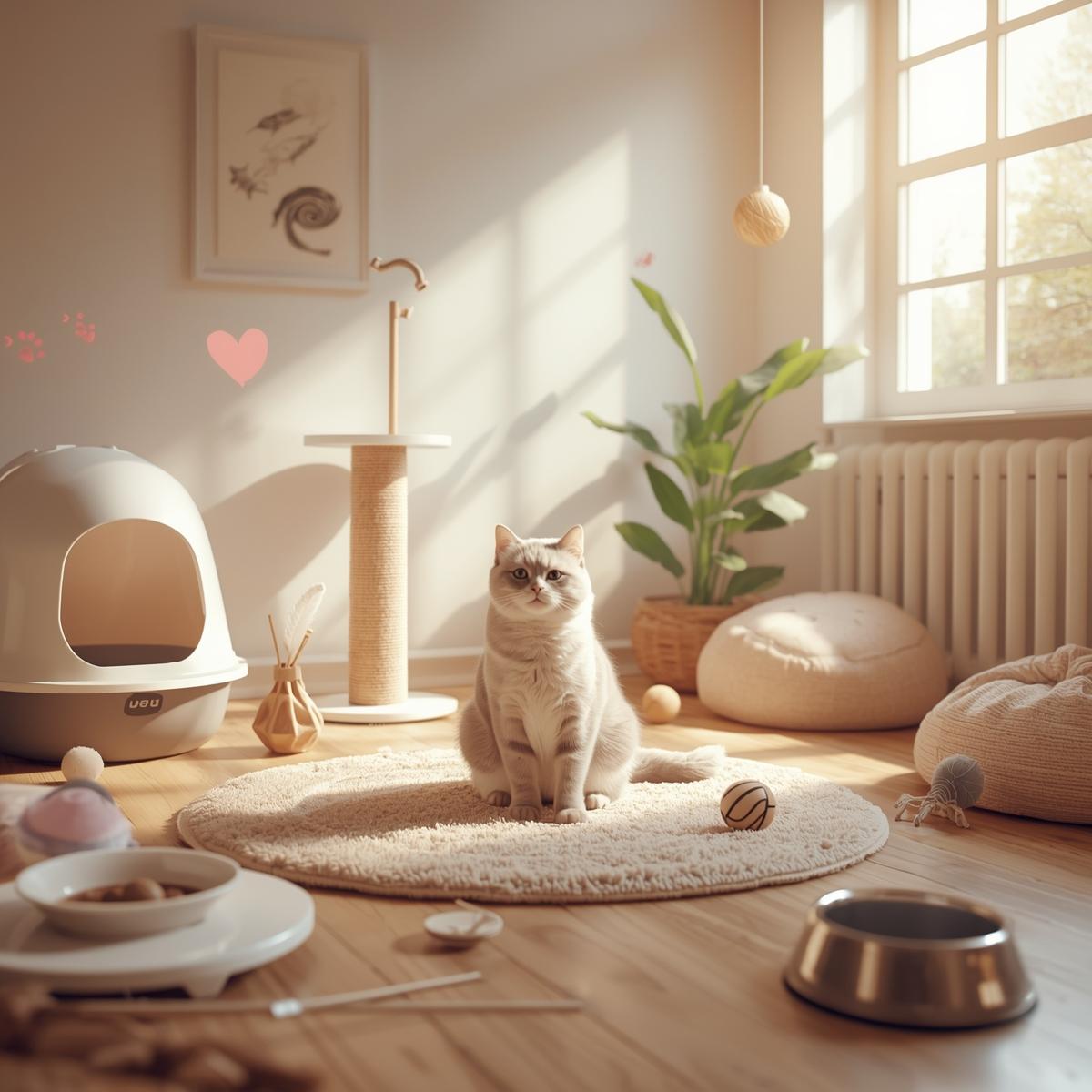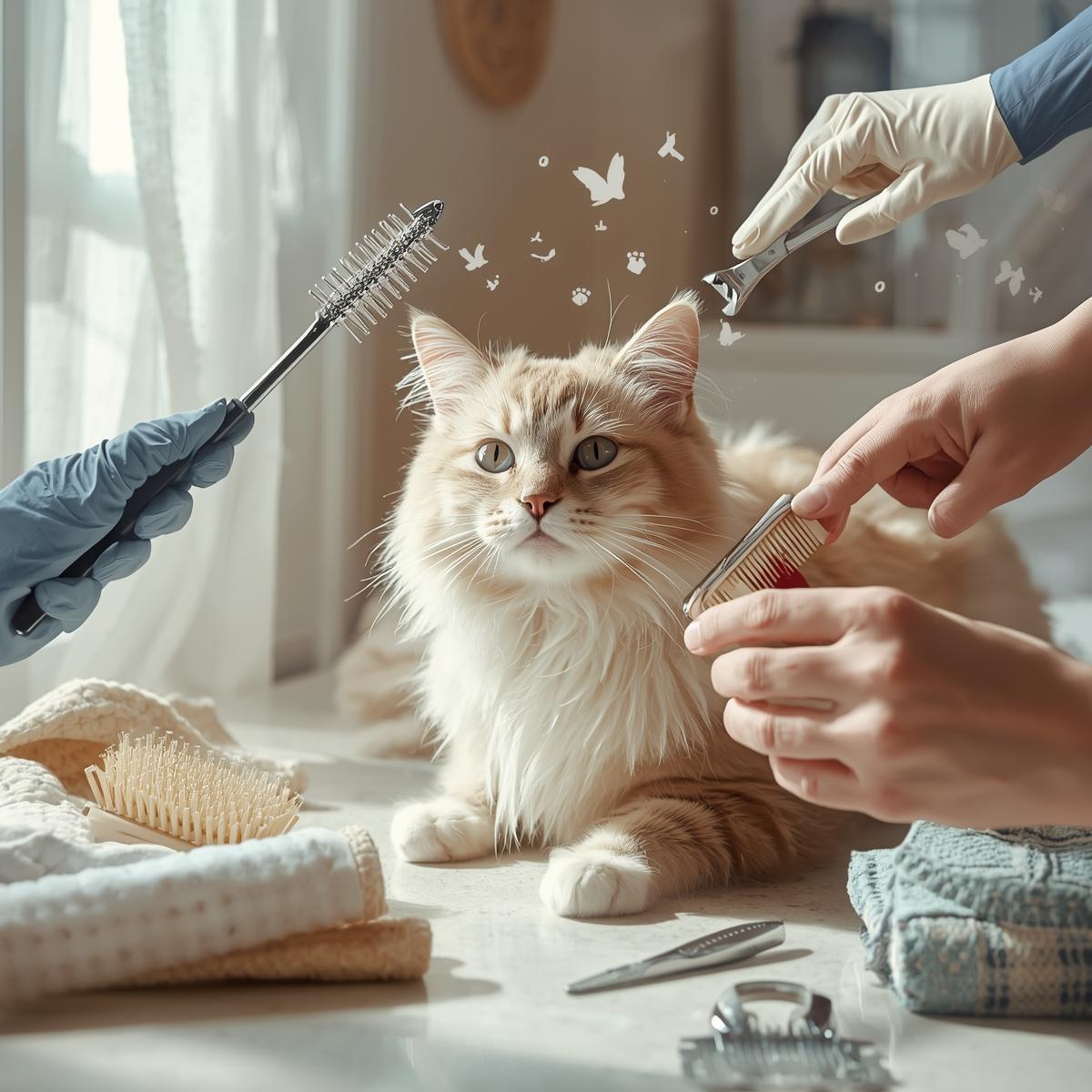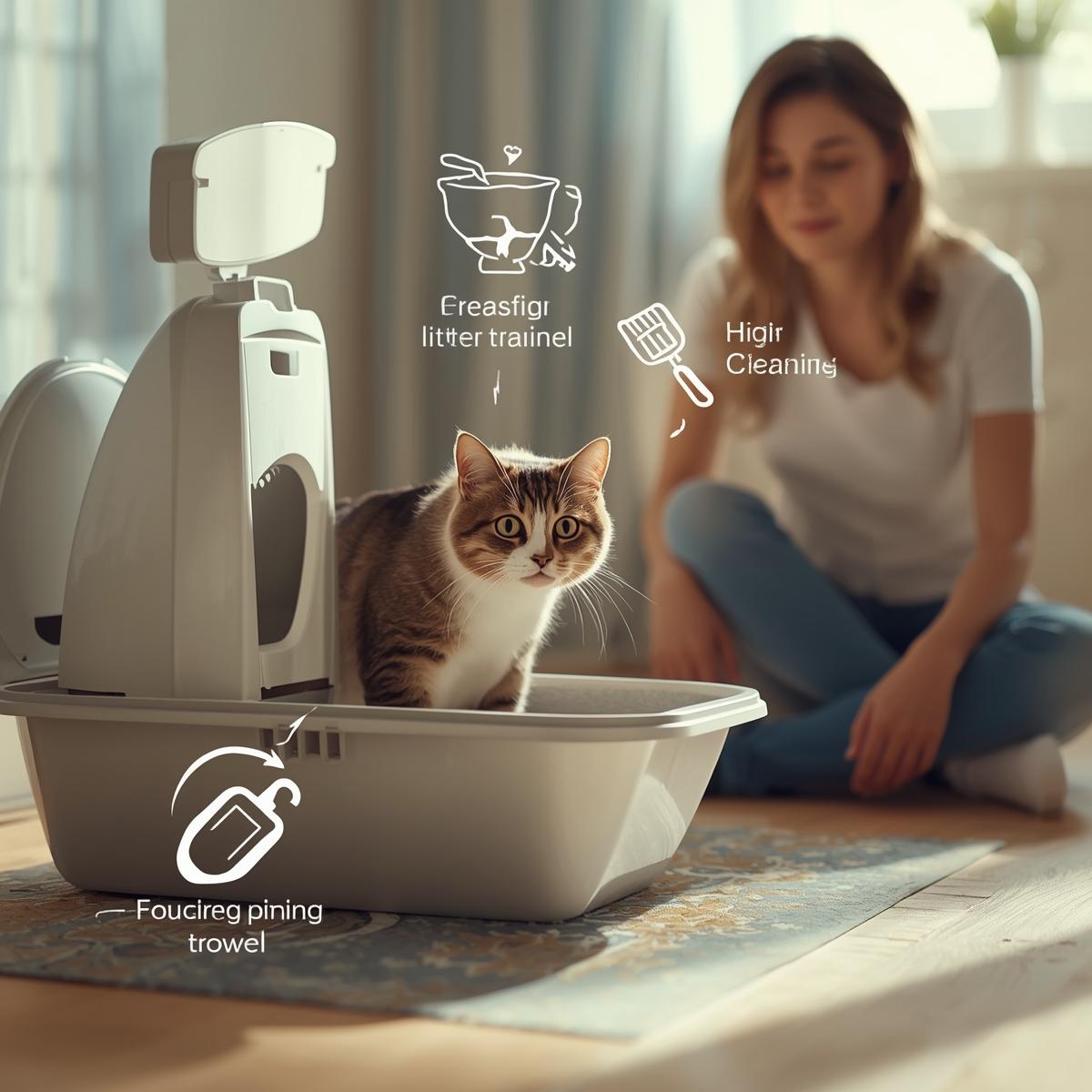
Proper litter box training is essential for maintaining hygiene, preventing behavioral problems, and supporting the well-being of indoor cats. Even though cats have a natural instinct to eliminate in private areas, some cats may develop avoidance behaviors due to stress, illness, or improper litter box setup. This guide provides comprehensive tips for successful litter box training, covering selection, placement, cleaning, troubleshooting, and multi-cat households.
Table of Contents
- Introduction
- Importance of Litter Box Training
- Choosing the Right Litter Box
- Selecting the Proper Litter
- Litter Box Placement
- How Many Litter Boxes to Have
- Introducing Kittens to the Litter Box
- Encouraging Adult Cats to Use the Litter Box
- Cleaning and Maintenance
- Troubleshooting Common Issues
- Dealing with Litter Box Avoidance
- Multi-Cat Household Considerations
- Signs of Litter Box Problems
- Litter Box and Health Connection
- Enrichment Around the Litter Box
- Transitioning to a New Litter or Box
- Training for Outdoor-to-Indoor Cats
- Behavioral Solutions and Professional Help
- Maintaining Long-Term Litter Box Success
- Conclusion
Introduction
Cats are instinctively clean animals, and a properly maintained litter box allows them to eliminate comfortably. However, issues such as stress, litter preference, or poor placement can cause accidents outside the box. Consistent training, correct setup, and careful observation of cat behavior prevent problems and ensure a clean, healthy home environment.
Importance of Litter Box Training
- Prevents indoor accidents and odors
- Reduces stress for cats and owners
- Supports proper hygiene
- Helps detect early signs of illness, such as urinary problems
- Strengthens owner-cat communication and trust
Choosing the Right Litter Box
- Size: Large enough for the cat to turn comfortably
- Shape: Open or covered based on cat preference
- Accessibility: Easy entry for kittens, senior cats, or cats with mobility issues
- Material: Durable and easy to clean
Selecting the Proper Litter
- Clumping vs. non-clumping: Clumping makes cleaning easier
- Scented vs. unscented: Unscented is generally preferred
- Texture: Fine-grain litter is often more comfortable
- Consider allergies or sensitivities
Litter Box Placement
- Quiet, low-traffic areas
- Away from food and water bowls
- Accessible but private
- Avoid areas that may cause stress, such as near loud appliances
How Many Litter Boxes to Have
- One box per cat, plus one extra
- Multiple floors may require multiple boxes
- Separate boxes reduce territorial disputes and stress
Introducing Kittens to the Litter Box
- Show kittens the box after meals and naps
- Encourage digging behavior with gentle guidance
- Reward successful use with praise
- Keep boxes clean and easily accessible
Encouraging Adult Cats to Use the Litter Box
- Move cats gradually to preferred box location
- Maintain consistent litter type
- Use positive reinforcement for correct use
- Avoid punishment for accidents, which increases stress
Cleaning and Maintenance
- Scoop daily to remove waste
- Replace litter completely and wash the box weekly
- Use mild soap and avoid strong chemicals
- Ensure the box is dry before adding new litter
Troubleshooting Common Issues
- Avoidance: Change litter type or box location
- Marking: Consult a veterinarian to rule out health issues
- Cover preference: Some cats prefer open boxes to avoid trapping odor
- Overcrowding: Ensure enough boxes for multi-cat households
Dealing with Litter Box Avoidance
- Rule out medical causes such as urinary tract infections
- Reduce stress factors and provide multiple boxes
- Gradually reintroduce the cat to the box
- Maintain a calm and predictable environment
Multi-Cat Household Considerations
- Separate boxes for each cat reduce conflict
- Place boxes in different locations
- Monitor for bullying or guarding behavior
- Rotate or add boxes as needed for harmony
Signs of Litter Box Problems
- Urinating or defecating outside the box
- Frequent attempts without successful elimination
- Changes in frequency or appearance of waste
- Avoidance of box due to discomfort or stress
Litter Box and Health Connection
- Urinary tract infections or kidney problems often show first through litter box use
- Constipation or diarrhea can affect litter habits
- Monitoring litter box activity helps detect early signs of illness
Enrichment Around the Litter Box
- Ensure the area is safe and stress-free
- Avoid placing boxes near high-traffic zones or loud appliances
- Provide multiple boxes to reduce competition in multi-cat homes
Transitioning to a New Litter or Box
- Introduce gradually by mixing old and new litter
- Keep at least one familiar box during transition
- Observe behavior for signs of preference or stress
Training for Outdoor-to-Indoor Cats
- Place litter boxes in multiple quiet locations
- Use familiar litter to ease transition
- Gradually reduce outdoor access while encouraging indoor elimination
- Reward consistent litter box use
Behavioral Solutions and Professional Help
- Persistent avoidance may require consultation with a veterinarian or behaviorist
- Rule out medical issues before behavioral training
- Use positive reinforcement and enrichment strategies
Maintaining Long-Term Litter Box Success
- Keep boxes clean and in consistent locations
- Monitor for changes in behavior, weight, or health
- Ensure multiple boxes for multi-cat households
- Adjust boxes or litter as needed for comfort and hygiene
Conclusion
Proper litter box training ensures a clean and stress-free home for both cats and owners. Selecting the right box, maintaining cleanliness, providing multiple options for multi-cat households, and understanding cat behavior are key components. Monitoring litter box activity helps detect health issues early and supports long-term success. Consistency, patience, and positive reinforcement ensure indoor cats reliably use the litter box and remain healthy and comfortable.