Cats are popular pets that often live indoors. Indoor cats require proper care to maintain health, behavior, and well-being. Living indoors protects cats from outdoor dangers but also requires owners to provide physical activity, mental stimulation, nutrition, hygiene, and social interaction. This guide covers comprehensive indoor cat care, including diet, grooming, health monitoring, environment, and behavior management.
Table of Contents
- Introduction
- Importance of Indoor Cat Care
- Creating a Safe Indoor Environment
- Nutrition and Feeding
- Hydration for Indoor Cats
- Litter Box Setup and Maintenance
- Grooming and Coat Care
- Exercise and Mental Stimulation
- Social Interaction and Bonding
- Sleep and Rest Needs
- Preventive Health Care
- Vaccinations and Parasite Control
- Common Health Concerns for Indoor Cats
- Managing Behavioral Issues
- Recognizing Stress and Anxiety
- Environmental Enrichment
- Introducing New Pets
- Travel and Emergency Care
- Aging Indoor Cats
- Conclusion
Introduction
Indoor cats are protected from traffic, predators, and outdoor diseases, but they face unique challenges such as reduced activity, boredom, and environmental stress. Proper indoor care supports physical and mental health, prevents illness, and reduces behavioral problems. Owners must provide a structured environment with nutrition, exercise, grooming, and preventive care.
Importance of Indoor Cat Care
Indoor cats rely entirely on their environment for safety, food, and stimulation. Without proper care, indoor cats may develop obesity, stress-related behaviors, urinary problems, or decreased life satisfaction. Providing consistent care supports long-term health, engagement, and comfort.
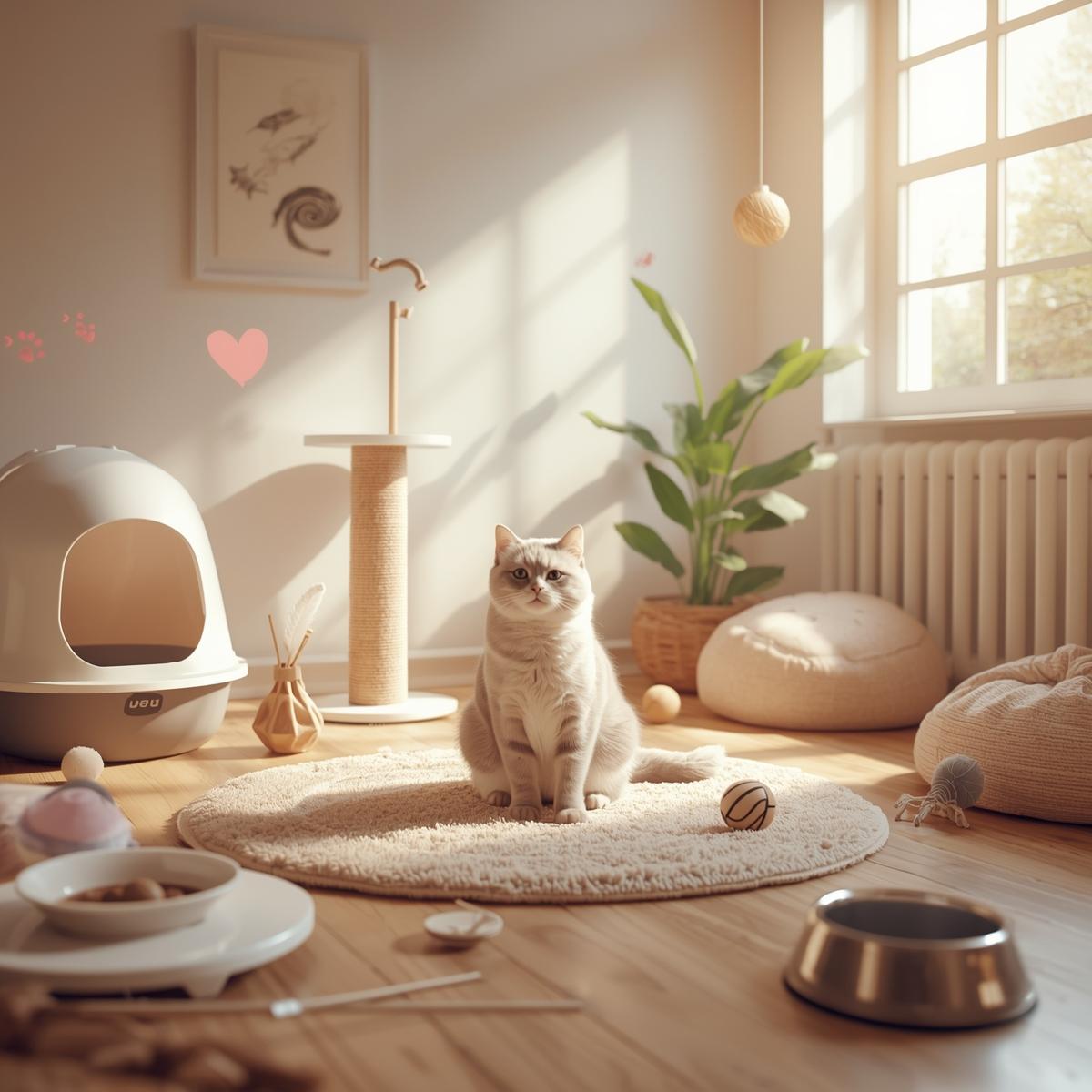
Creating a Safe Indoor Environment
- Ensure windows and balconies are secure
- Remove toxic plants or household chemicals
- Avoid small objects that could be swallowed
- Provide scratching posts, climbing structures, and hiding spots
- Maintain temperature and ventilation suitable for cats
Nutrition and Feeding
Indoor cats have different caloric and nutrient requirements than outdoor cats. Overfeeding can lead to obesity.
- Feed balanced commercial cat food formulated for indoor cats
- Offer age-appropriate diet for kittens, adults, and senior cats
- Measure portions and avoid free-feeding unless recommended
- Monitor weight regularly
Hydration for Indoor Cats
Water intake is critical for urinary tract health.
- Provide fresh water daily
- Consider water fountains to encourage drinking
- Include wet food in the diet for additional hydration
- Monitor for signs of dehydration, such as lethargy or dry gums
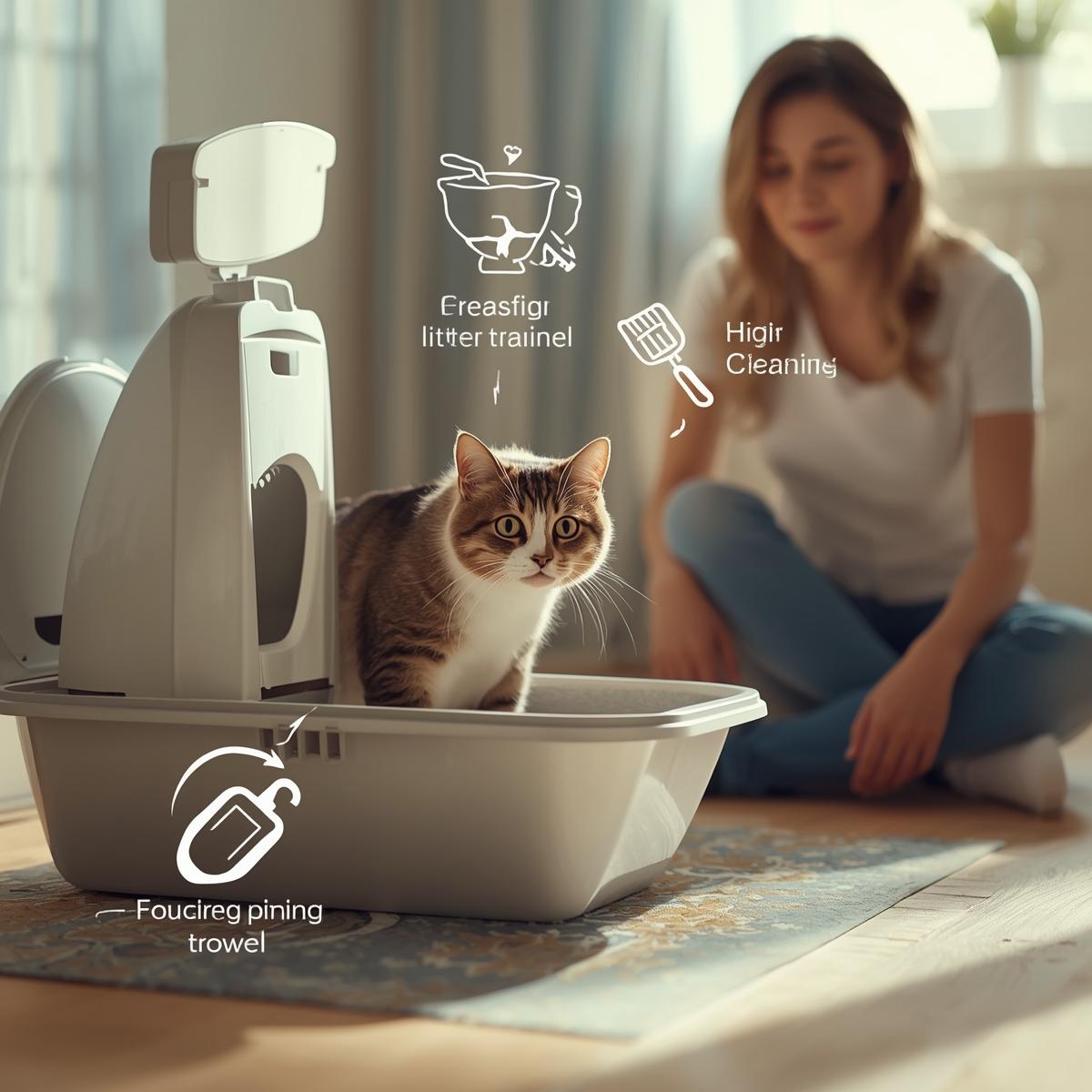
Litter Box Setup and Maintenance
A clean litter box is essential for hygiene and behavior.
- Provide one litter box per cat, plus one extra
- Place litter boxes in quiet, accessible areas
- Scoop daily and change litter regularly
- Wash litter boxes weekly with mild soap and water
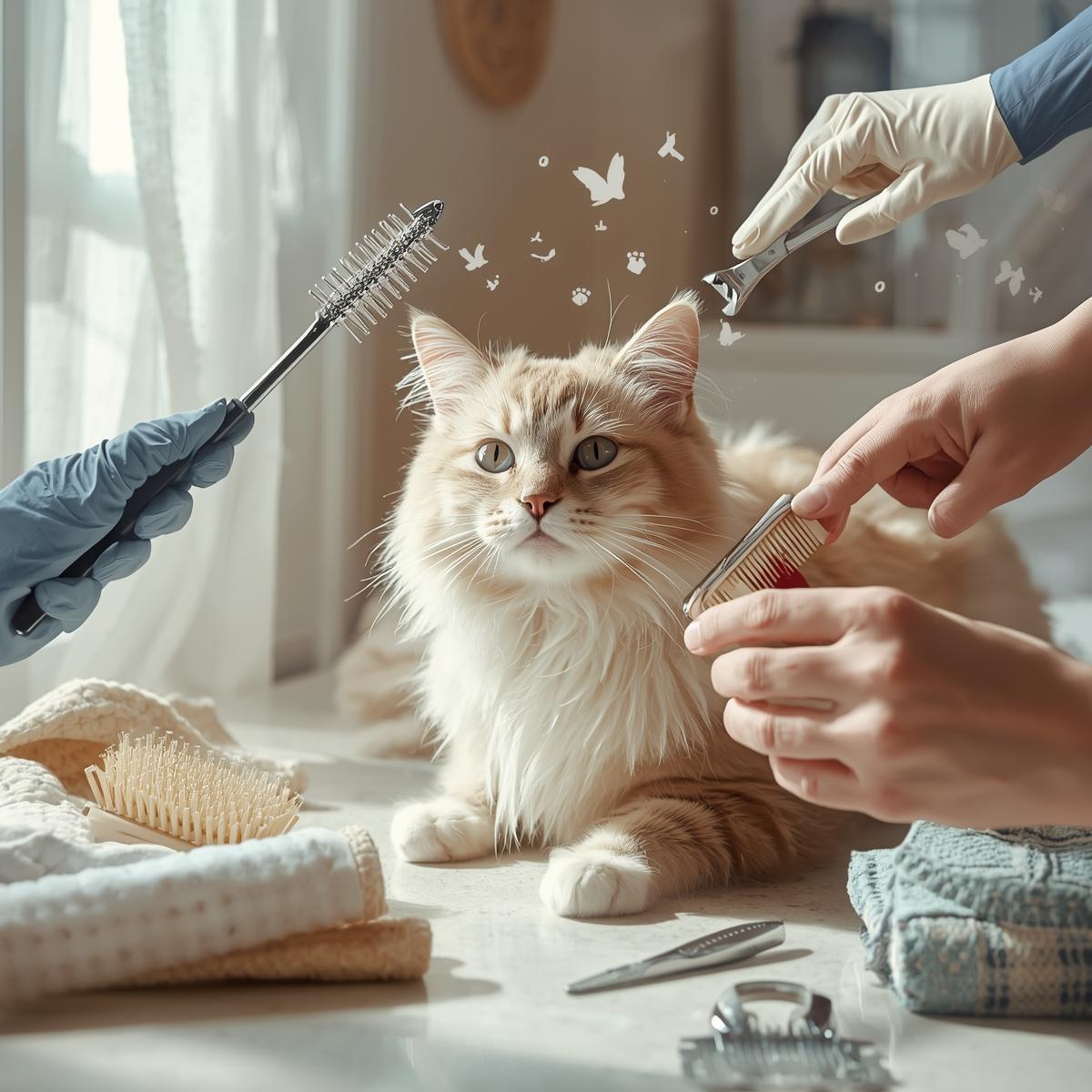
Grooming and Coat Care
Even indoor cats require grooming to prevent matting and hairballs.
- Brush regularly to remove loose hair
- Trim nails carefully as needed
- Clean ears and eyes if debris accumulates
- Regular grooming allows early detection of skin issues
Exercise and Mental Stimulation
Indoor cats need physical activity and mental challenges.
- Provide toys such as balls, feathers, and interactive puzzles
- Set aside playtime daily to encourage exercise
- Use climbing structures, scratching posts, and perches
- Rotate toys to maintain interest and prevent boredom
Social Interaction and Bonding
Cats benefit from social interaction with humans and, if compatible, other pets.
- Spend daily time playing, petting, and talking to cats
- Respect the cat’s space when they choose to be alone
- Use positive reinforcement to strengthen bonds
Sleep and Rest Needs
Cats sleep frequently, often in quiet, elevated, or enclosed spaces.
- Provide comfortable beds or resting areas
- Ensure safe places where cats can retreat
- Maintain a predictable environment to reduce stress
Preventive Health Care
Regular veterinary care ensures long-term health.
- Schedule annual checkups and wellness exams
- Monitor for changes in appetite, behavior, or litter box habits
- Address minor health issues early before they worsen
Vaccinations and Parasite Control
Indoor cats are less exposed to outdoor diseases but still require vaccinations and parasite protection.
- Follow veterinarian recommendations for core vaccines
- Monitor for fleas, ticks, or worms
- Use preventive treatments as advised by the vet
Common Health Concerns for Indoor Cats
- Obesity due to limited activity
- Urinary tract problems, including blockages
- Dental disease from lack of chewing or dental care
- Hairballs from grooming
- Stress-related behaviors like excessive grooming or scratching
Managing Behavioral Issues
Behavioral issues may arise from boredom, stress, or poor socialization.
- Redirect unwanted behavior with toys or activities
- Use scratching posts to prevent furniture damage
- Avoid punishment-based methods
- Provide consistent routines and clear boundaries
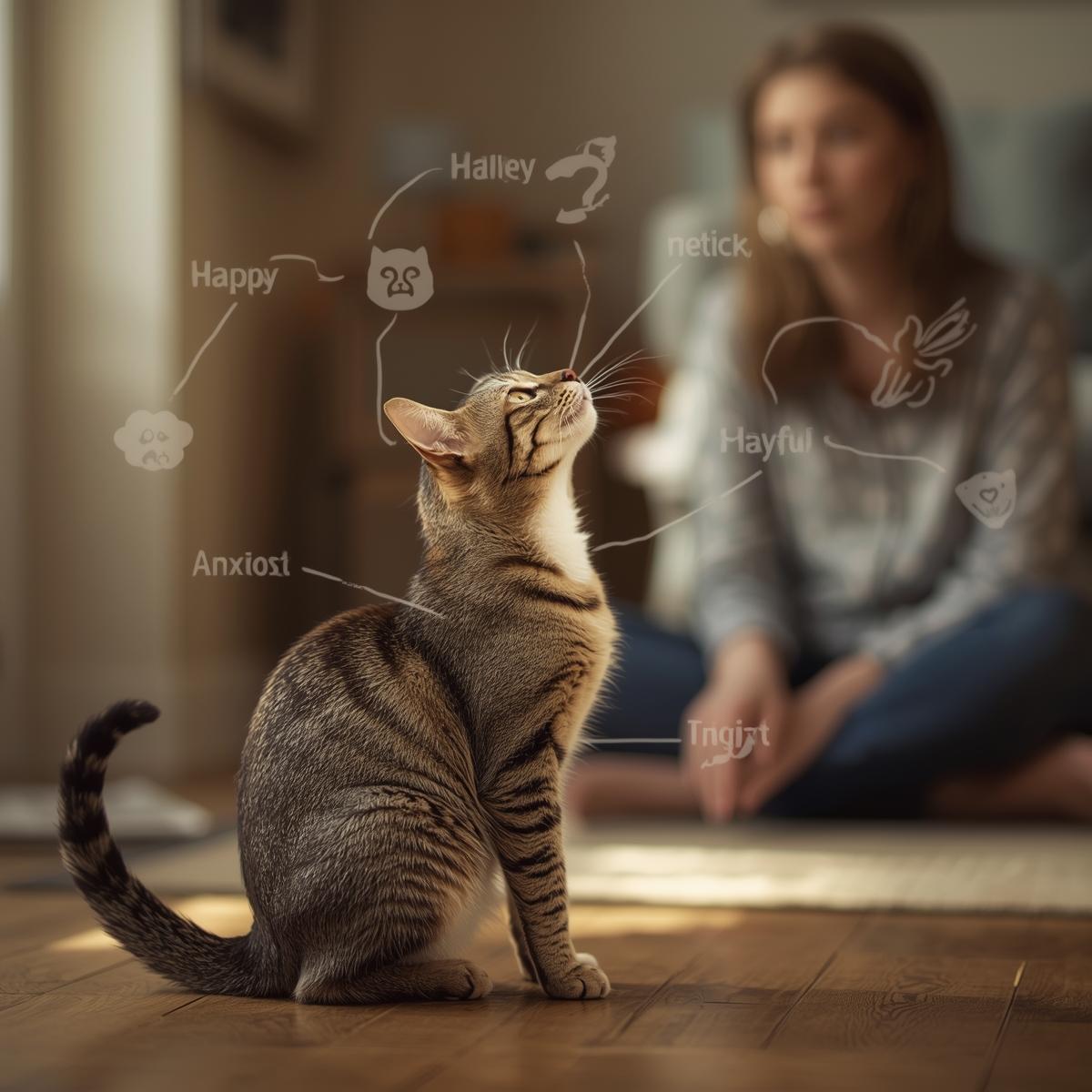
Recognizing Stress and Anxiety
Signs of stress in cats include:
- Hiding or avoiding interaction
- Aggression toward humans or other pets
- Excessive grooming or scratching
- Changes in eating or litter box habits
Intervention may include environmental enrichment, routines, and, in some cases, veterinary advice.
Environmental Enrichment
- Provide vertical space for climbing
- Rotate toys and introduce puzzle feeders
- Allow access to sunny windows or safe outdoor enclosures
- Use interactive play to stimulate hunting instincts
Introducing New Pets
- Introduce new cats or animals gradually
- Use scent swapping and controlled interactions
- Monitor behavior closely and provide separate resources initially
Travel and Emergency Care
Indoor cats may face stress during travel or emergencies.
- Acclimate cats to carriers early
- Keep medical records and emergency contacts
- Provide familiar items, such as blankets or toys, during travel
Aging Indoor Cats
Senior cats have changing needs:
- Adjust diet to support joint and kidney health
- Maintain easy access to litter boxes, food, and water
- Monitor for cognitive changes, mobility limitations, or chronic illness
- Regular veterinary visits become more important
Conclusion
Indoor cats require a structured environment, proper nutrition, hygiene, and stimulation to thrive. Regular preventive care, mental and physical exercise, social interaction, and monitoring support health and prevent behavioral issues. By understanding the specific needs of indoor cats, owners can provide a safe, engaging, and fulfilling environment for their pets throughout all life stages.