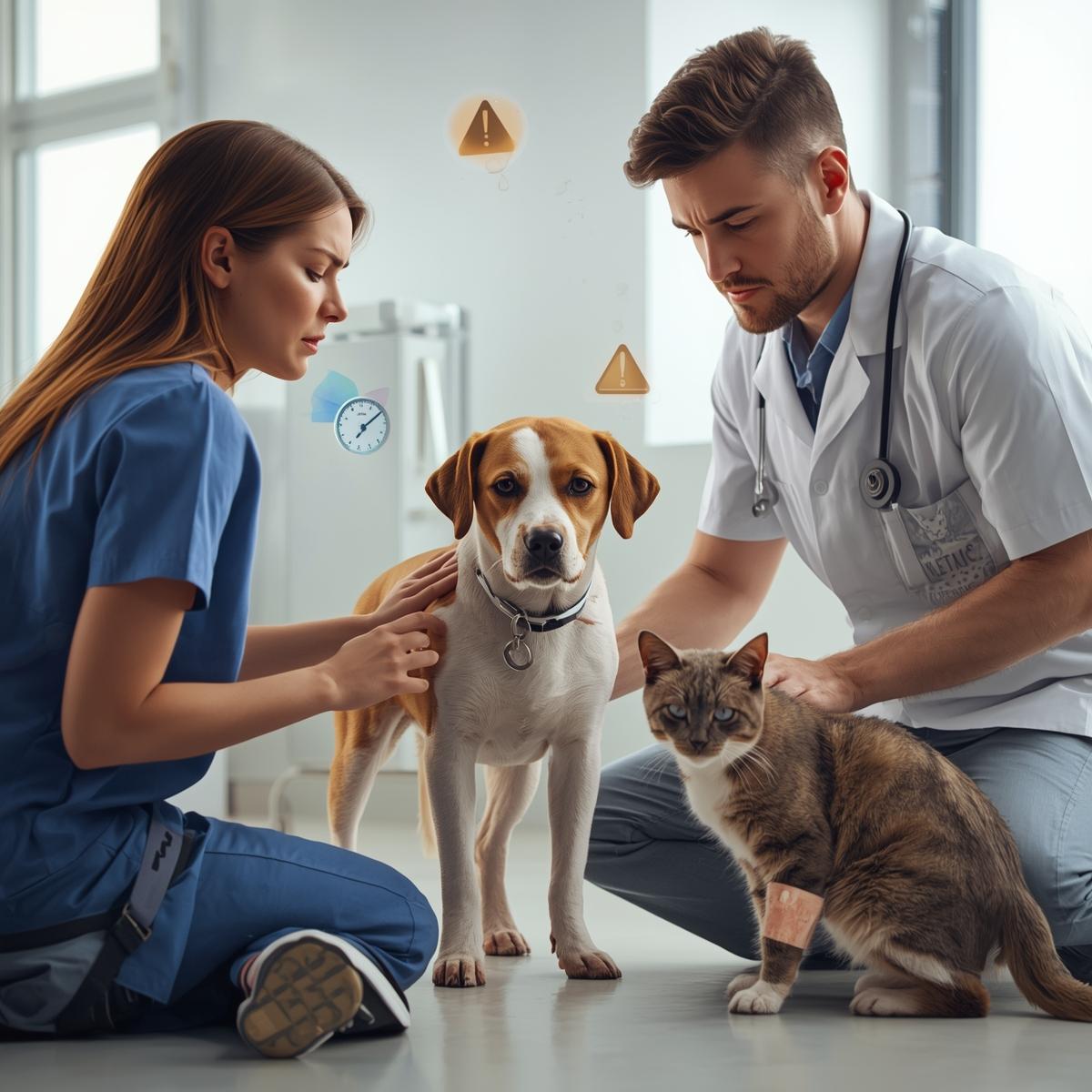
Pets rely on their owners for care and protection. Accidents, injuries, and sudden illnesses can occur at home, outdoors, or during travel. Knowing basic first aid helps pet owners respond quickly and effectively. Immediate attention can prevent complications, reduce pain, and save a pet’s life. This article provides a comprehensive guide to first aid for pets, covering essential knowledge, emergency response, treatment techniques, and preventive measures.
Table of Contents
- Introduction
- Importance of First Aid for Pets
- First Aid Kit Essentials
- Assessing a Pet in an Emergency
- Wound Care
- Minor Cuts and Scrapes
- Major Wounds and Bleeding
- Burns and Scalds
- Fractures and Sprains
- Choking and Airway Obstruction
- Poisoning and Toxic Substances
- Heatstroke and Cold Exposure
- Eye and Ear Emergencies
- Seizures and Neurological Emergencies
- Handling Shock
- CPR for Pets
- Transporting an Injured Pet
- Preventive Measures to Avoid Emergencies
- Signs That Require Immediate Veterinary Attention
- Integrating First Aid into Routine Pet Care
- Conclusion
Introduction
First aid provides immediate care before veterinary treatment. Pets cannot explain their discomfort, so owners must recognize signs of injury or illness. Quick and appropriate response can prevent worsening of the condition. First aid knowledge allows owners to act confidently during emergencies and reduce risks.
Importance of First Aid for Pets
First aid reduces suffering and prevents minor injuries from becoming serious. It can stabilize pets during emergencies until veterinary help is available. Understanding first aid also prepares pet owners for accidents that may occur at home, during travel, or in outdoor environments. First aid knowledge is essential for all pet owners, including those with dogs, cats, or other companion animals.
First Aid Kit Essentials
A well-stocked first aid kit is necessary for handling emergencies. Essential items include:
- Sterile gauze pads
- Adhesive tape or bandages
- Antiseptic solution safe for pets
- Tweezers and scissors
- Digital thermometer
- Muzzle or soft restraint
- Disposable gloves
- Cold packs or warm packs
- Saline solution for eyes or wounds
- Emergency contact list for veterinarians
- Pet-specific medications prescribed by a veterinarian
Assessing a Pet in an Emergency
Assessing a pet quickly and safely is the first step in first aid.
- Approach calmly to avoid causing fear or aggression
- Observe breathing, heart rate, and responsiveness
- Check for visible injuries, bleeding, or deformities
- Keep the pet restrained if necessary to prevent further injury
Wound Care
Wounds are common emergencies and can range from minor scratches to deep cuts.
Minor Cuts and Scrapes
- Clean the area with saline or antiseptic solution
- Apply sterile gauze and secure with tape
- Monitor for signs of infection such as swelling, discharge, or odor
- Seek veterinary care if the wound does not heal
Major Wounds and Bleeding
- Apply direct pressure to stop bleeding
- Use a clean cloth or bandage to maintain pressure
- Elevate the area if possible
- Transport the pet to a veterinarian immediately
- Avoid using human medications unless prescribed by a veterinarian
Burns and Scalds
Pets may suffer burns from hot surfaces, liquids, or chemicals.
- Cool the burn immediately with running water
- Avoid using ice directly on the skin
- Cover the area with sterile gauze
- Seek veterinary care for burns affecting large areas or deep tissue
Fractures and Sprains
Broken bones or sprains require careful handling.
- Restrict movement to prevent further injury
- Use a splint if trained to do so
- Avoid manipulating the limb excessively
- Transport the pet to a veterinarian for assessment and treatment
Choking and Airway Obstruction
Pets may choke on small objects, food, or toys.
- Check the mouth for visible obstructions
- Remove the object carefully with tweezers if accessible
- Perform the Heimlich maneuver for dogs or back blows for cats if trained
- Seek immediate veterinary care if the pet cannot breathe
Poisoning and Toxic Substances
Pets may ingest harmful foods, plants, chemicals, or medications.
- Identify the substance ingested
- Contact a veterinarian or poison control center immediately
- Do not induce vomiting unless instructed
- Provide supportive care while transporting the pet to professional care
Heatstroke and Cold Exposure
Extreme temperatures can cause health emergencies.
- Move the pet to a shaded or warm area
- Offer small amounts of water
- Apply cool or warm packs to help regulate body temperature
- Monitor breathing, heart rate, and behavior
- Seek veterinary care if symptoms persist
Eye and Ear Emergencies
Foreign objects, infections, or injuries may affect the eyes or ears.
- Rinse eyes with saline if debris is visible
- Avoid rubbing the eyes or ears
- Use soft gauze to clean around the area
- Seek veterinary attention for swelling, redness, or persistent discharge
Seizures and Neurological Emergencies
Seizures may result from epilepsy, toxins, or metabolic disorders.
- Clear the surrounding area to prevent injury
- Avoid restraining the pet forcefully
- Record duration and behavior during the seizure
- Contact a veterinarian immediately for guidance
Handling Shock
Shock may result from trauma, blood loss, or severe illness.
- Keep the pet calm and warm
- Monitor breathing and heart rate
- Elevate hind legs if spinal injury is not suspected
- Seek immediate veterinary care
CPR for Pets
Cardiopulmonary resuscitation (CPR) may be needed in cases of cardiac or respiratory arrest.
- Check responsiveness and breathing
- Position pet on a firm surface
- Use chest compressions combined with rescue breaths if trained
- Continue until veterinary assistance is available
Transporting an Injured Pet
Safe transport prevents further injury.
- Use a sturdy carrier or makeshift stretcher
- Avoid unnecessary movement of injured limbs or spine
- Keep the pet calm and restrained
- Move to the nearest veterinary clinic quickly
Preventive Measures to Avoid Emergencies
Prevention reduces the need for first aid interventions.
- Remove toxic substances and small objects from reach
- Supervise pets during outdoor activity
- Use leashes and carriers for safe travel
- Provide regular veterinary care, vaccinations, and parasite control
- Educate household members about safe handling and hazards
Signs That Require Immediate Veterinary Attention
Certain signs require urgent veterinary care:
- Uncontrolled bleeding
- Difficulty breathing
- Loss of consciousness
- Persistent vomiting or diarrhea
- Seizures or neurological changes
- Swelling, fractures, or severe burns
- Signs of poisoning
Integrating First Aid into Routine Pet Care
First aid should be part of everyday pet care.
- Keep a first aid kit accessible
- Train household members in basic first aid techniques
- Monitor pets regularly for signs of injury or illness
- Maintain vaccination and preventive care schedules
- Develop an emergency plan including veterinary contacts
Conclusion
First aid knowledge is essential for pet owners. Quick and appropriate response can prevent complications, reduce pain, and save lives. A well-stocked first aid kit, proper training, and preventive care allow owners to manage emergencies confidently. Wounds, burns, fractures, poisoning, choking, heatstroke, and seizures are common emergencies that require attention. Immediate veterinary care is crucial when serious signs are present. Integrating first aid into routine care ensures pets remain healthy and safe in any environment.