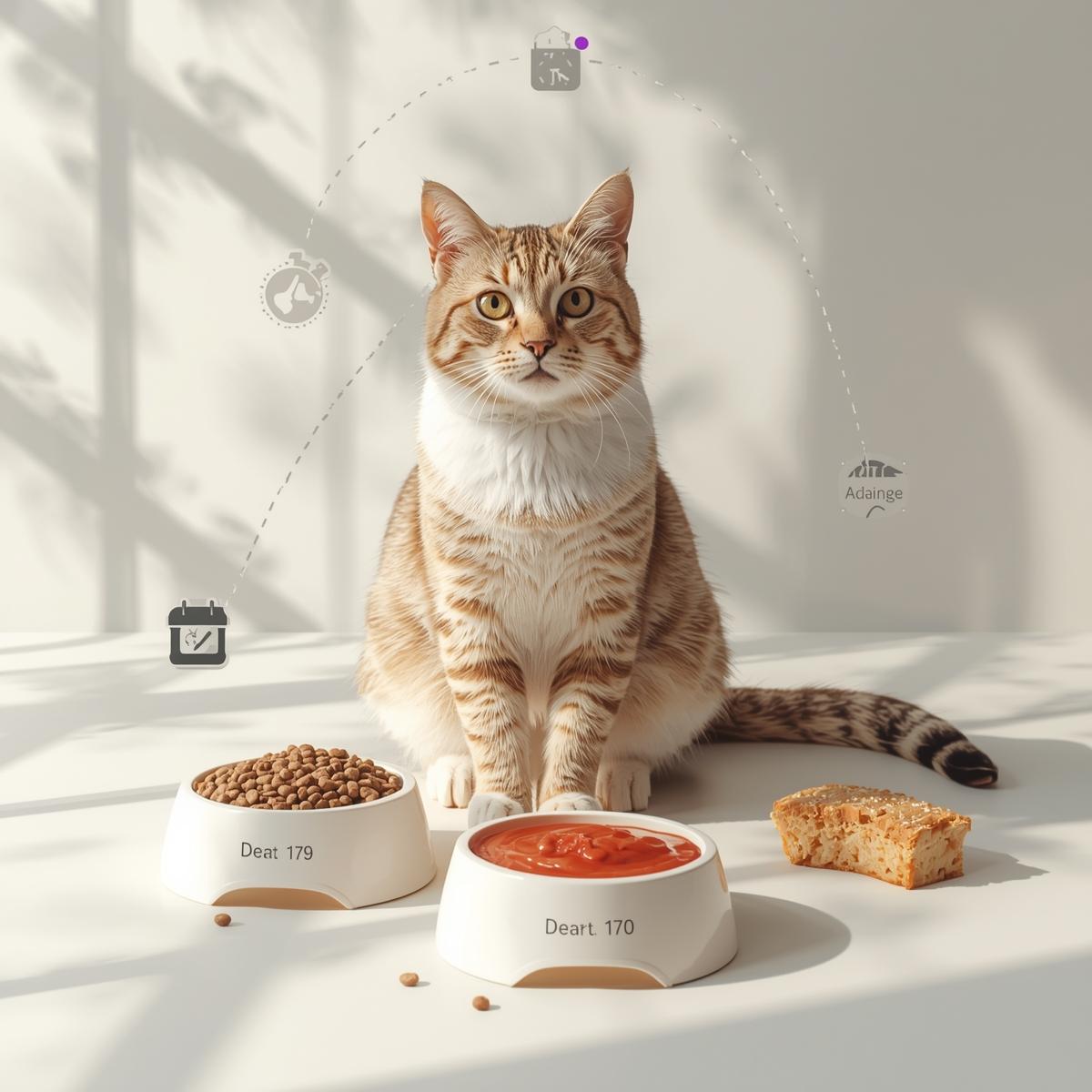
A structured feeding schedule is essential for maintaining a cat’s health, weight, and overall well-being. Cats are natural grazers, but portion control, meal timing, and diet quality affect digestion, energy levels, and urinary tract health. Feeding schedules vary based on age, activity level, health condition, and lifestyle. This article provides a complete guide to establishing and maintaining an effective feeding schedule for cats.
Table of Contents
- Introduction
- Importance of a Feeding Schedule
- Understanding Cat Nutrition
- Feeding Kittens
- Feeding Adult Cats
- Feeding Senior Cats
- Portion Control and Meal Size
- Wet Food vs. Dry Food
- Homemade Diets and Raw Food
- Treats and Supplements
- Feeding Frequency
- Signs of Overfeeding
- Signs of Underfeeding
- Feeding Cats with Health Conditions
- Special Considerations for Indoor Cats
- Preventing Obesity
- Hydration and Water Intake
- Feeding Multiple Cats
- Tips for Consistent Feeding
- Conclusion
Introduction
Cats rely on owners to provide consistent meals and balanced nutrition. Irregular feeding or overfeeding can lead to obesity, digestive problems, or behavioral issues. Understanding the nutritional needs of cats and implementing a structured feeding schedule supports health, weight management, and behavior.
Importance of a Feeding Schedule
A feeding schedule provides several benefits:
- Maintains optimal body weight
- Reduces begging and food-related behavior problems
- Supports digestion and metabolism
- Helps monitor appetite changes for early detection of illness
- Ensures consistency for multiple cats in the same household
Understanding Cat Nutrition
Cats are obligate carnivores, requiring high-protein diets with essential amino acids like taurine. Key nutritional components include:
- Protein: Supports muscle development and overall health
- Fats: Provide energy and support skin and coat health
- Carbohydrates: Limited amounts aid in digestion
- Vitamins and minerals: Support immune function, bone health, and metabolism
- Water: Essential for kidney and urinary health
Feeding Kittens
Kittens have higher energy requirements and require frequent meals:
- Age 0–4 weeks: Feed every 2–3 hours with milk replacer
- Age 4–8 weeks: Introduce wet or soft solid food gradually
- Age 8–12 weeks: Feed 4–5 small meals per day
- Age 3–6 months: Feed 3–4 meals per day
- Kittens should have continuous access to water
Feeding Adult Cats
Adult cats require a consistent feeding schedule based on activity and metabolism:
- Typically feed 2 meals per day (morning and evening)
- Measure portions according to caloric needs
- Avoid leaving large amounts of dry food for free-feeding unless recommended
- Monitor weight and adjust portions as necessary
Feeding Senior Cats
Senior cats have different nutritional needs:
- Maintain protein levels for muscle mass
- Adjust calorie intake to prevent weight gain or loss
- Feed smaller, more frequent meals if appetite declines
- Monitor for health issues such as kidney disease or dental problems
Portion Control and Meal Size
Proper portioning prevents overfeeding and obesity:
- Follow feeding guidelines on food packaging
- Use a kitchen scale or measuring cups for accuracy
- Adjust based on activity level, weight, and health status
- Avoid feeding table scraps or excessive treats
Wet Food vs. Dry Food
Both wet and dry foods have benefits and considerations:
- Wet food: Higher moisture content, supports hydration, suitable for cats with urinary issues
- Dry food: Convenient, supports dental health, higher calorie density
- Combining both can provide variety and support hydration and dental health
Homemade Diets and Raw Food
Homemade diets require careful planning to meet nutritional needs:
- Include high-quality protein sources
- Add necessary vitamins and minerals
- Avoid toxic ingredients like onions, garlic, or chocolate
- Consult a veterinarian or pet nutritionist before starting raw diets
Treats and Supplements
Treats can be part of a feeding schedule but should not exceed 10% of daily caloric intake:
- Use as rewards during training or enrichment activities
- Choose treats formulated for cats
- Consider supplements only if recommended by a veterinarian
Feeding Frequency
- Kittens: 4–5 times per day
- Adult cats: 1–2 times per day
- Senior cats: 2–3 small meals per day
- Consistency helps prevent digestive issues and maintains metabolism
Signs of Overfeeding
- Rapid weight gain
- Reduced activity levels
- Vomiting or regurgitation after meals
- Food-seeking behavior outside meal times
Signs of Underfeeding
- Weight loss or muscle wasting
- Increased begging or scavenging
- Low energy or lethargy
- Poor coat condition
Feeding Cats with Health Conditions
Cats with medical conditions require tailored feeding schedules:
- Diabetic cats: Feed small, consistent meals with medication timing
- Kidney disease: Feed specialized diets recommended by a veterinarian
- Obesity: Implement portion control and low-calorie diets
- Monitor appetite and weight regularly
Special Considerations for Indoor Cats
Indoor cats may have lower energy requirements:
- Reduce portion size to prevent weight gain
- Provide enrichment and play to encourage activity
- Monitor for signs of boredom or overeating
Preventing Obesity
- Measure food portions accurately
- Avoid free-feeding if prone to overeating
- Encourage regular play and exercise
- Monitor weight monthly
Hydration and Water Intake
- Ensure fresh water is always available
- Use water fountains to encourage drinking
- Incorporate wet food into meals
- Monitor for decreased water intake, which can indicate health issues
Feeding Multiple Cats
- Provide separate feeding stations to prevent competition
- Feed according to each cat’s caloric needs
- Monitor for aggressive behavior during meals
- Ensure all cats have access to food and water
Tips for Consistent Feeding
- Set specific feeding times and stick to them
- Use consistent measuring methods
- Avoid sudden changes in food type or brand
- Maintain a feeding log if needed for weight and health monitoring
Conclusion
A structured feeding schedule supports the health and well-being of cats at all life stages. Feeding according to age, activity level, and health condition, along with portion control, hydration, and enrichment, promotes optimal weight, behavior, and nutrition. By monitoring appetite, providing balanced meals, and maintaining consistency, owners can prevent obesity, digestive issues, and behavioral problems while ensuring their cats remain healthy and active.