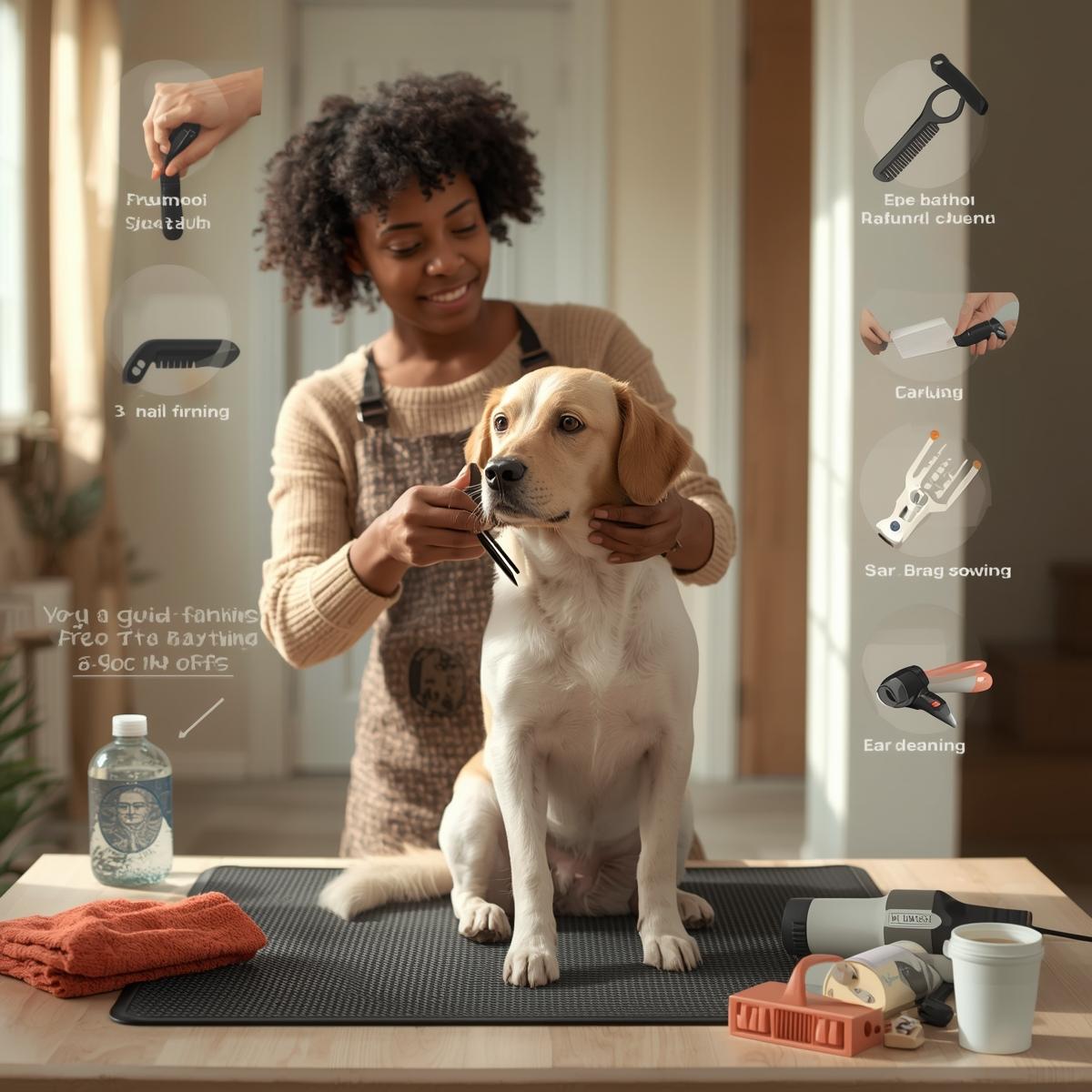
Grooming is an essential part of dog care. Regular grooming helps maintain hygiene, detect health issues, and improve comfort. Home grooming allows owners to bond with dogs while keeping them clean and healthy. This article provides a complete guide for dog grooming at home, including tools, techniques, schedules, and safety precautions.
Table of Contents
- Introduction
- Importance of Home Grooming
- Grooming Tools for Home Use
- Brushes and Combs
- Nail Clippers
- Shampoos and Conditioners
- Towels and Dryers
- Ear and Eye Cleaning Supplies
- Grooming Routine
- Brushing and Coat Care
- Bathing Dogs at Home
- Nail Trimming
- Ear Cleaning
- Dental Care
- Eye Care
- Handling Shedding
- Grooming Puppies
- Grooming Senior Dogs
- Grooming Dogs with Special Needs
- Safety Tips During Home Grooming
- Common Grooming Mistakes
- Frequency of Grooming
- Signs That Require Professional Grooming
- Integrating Grooming into Daily Care
- Conclusion
Introduction
Home grooming allows owners to care for dogs regularly. Dogs require grooming for hygiene, coat maintenance, nail care, ear and eye health, and dental hygiene. Grooming also provides an opportunity to check for signs of illness, skin problems, or parasites. Consistent home grooming reduces visits to professional groomers and keeps dogs healthy.
Importance of Home Grooming
Grooming supports hygiene, prevents matting, reduces shedding, and maintains nail length. It also allows early detection of skin infections, lumps, parasites, or injuries. Dogs that are groomed regularly are more comfortable and responsive during handling. Grooming is essential for all dogs, regardless of breed, size, or coat type.
Grooming Tools for Home Use
Brushes and Combs
- Slicker brushes remove loose hair and debris
- Pin brushes help detangle medium to long coats
- Comb tools check for mats and tangles
- Choose brushes suitable for the dog’s coat type
Nail Clippers
- Guillotine clippers for small dogs
- Scissor-style clippers for large dogs
- Nail files or grinders for smoothing edges
Shampoos and Conditioners
- Use dog-specific shampoos
- Conditioners help maintain coat softness and reduce tangling
- Avoid human shampoos as they can irritate skin
Towels and Dryers
- Absorbent towels for drying
- Low-heat dryers prevent burns
- Air drying is an alternative for short-coated breeds
Ear and Eye Cleaning Supplies
- Ear cleaning solutions for wax and debris
- Cotton balls or pads for gentle cleaning
- Eye wipes or saline solutions for removing discharge
Grooming Routine
A consistent routine ensures thorough care:
- Brush coat before bathing to remove loose hair
- Trim nails as needed
- Clean ears and eyes
- Bathe dogs on a schedule suitable for coat type
- Include dental care in routine
Brushing and Coat Care
Brushing removes dead hair, dirt, and debris. It also prevents tangles and mats.
- Short-haired dogs: brush once or twice a week
- Medium-haired dogs: brush 2–3 times a week
- Long-haired dogs: brush daily or as needed
- Check for lumps, ticks, or skin irritation during brushing
Bathing Dogs at Home
Bathing cleans the coat and skin.
- Use lukewarm water
- Apply dog shampoo and lather thoroughly
- Rinse completely to remove all residue
- Dry with towel or low-heat dryer
- Bathe frequency varies by coat type and activity level
Nail Trimming
Nail care prevents overgrowth, discomfort, and injury.
- Identify the quick to avoid cutting too short
- Trim gradually if nails are long
- File edges smooth after clipping
- Check paws for cracks or debris
Ear Cleaning
Ear care prevents infections and buildup.
- Use veterinarian-approved cleaning solutions
- Gently wipe inside ear with cotton or soft cloth
- Avoid inserting objects deep into the ear canal
- Monitor for redness, odor, or discharge
Dental Care
Dental hygiene prevents plaque, tartar, and oral disease.
- Brush teeth using dog toothbrush and toothpaste
- Provide dental chews or toys
- Schedule veterinary dental checkups
Eye Care
Eye care removes discharge and prevents irritation.
- Wipe eyes gently with saline or soft cloth
- Monitor for redness, swelling, or excessive tearing
- Seek veterinary attention if eye problems persist
Handling Shedding
Shedding is natural. Grooming reduces loose hair in the home.
- Use deshedding brushes for heavy shedding breeds
- Regular brushing removes loose hair
- Bathe occasionally to reduce shedding
- Keep living areas clean
Grooming Puppies
Puppies require gentle introduction to grooming:
- Brush lightly to accustom to touch
- Start nail trimming gradually
- Introduce bathing slowly
- Use positive reinforcement and treats
Grooming Senior Dogs
Senior dogs may have sensitive skin, joints, or teeth.
- Use soft brushes
- Adjust bathing frequency
- Trim nails carefully to avoid injury
- Monitor for mobility limitations
Grooming Dogs with Special Needs
Dogs with medical conditions or special coats require extra care:
- Follow veterinary recommendations
- Use hypoallergenic shampoos if needed
- Monitor for skin reactions
- Groom more frequently if coat tends to mat
Safety Tips During Home Grooming
- Use non-slip surfaces during grooming
- Handle dogs calmly and confidently
- Keep sharp tools away from children
- Watch for signs of stress or discomfort
- Avoid grooming if the dog is ill or injured
Common Grooming Mistakes
- Over-bathing, which strips natural oils
- Using human products on dogs
- Cutting nails too short
- Ignoring ear or dental care
- Brushing incorrectly for coat type
Frequency of Grooming
Frequency depends on coat type, activity, and health:
- Short-haired dogs: weekly brushing, occasional baths
- Medium-haired dogs: 2–3 times weekly brushing
- Long-haired dogs: daily brushing and scheduled baths
- All dogs: nail trimming, ear cleaning, and dental care at regular intervals
Signs That Require Professional Grooming
Professional grooming is necessary for:
- Severely matted coats
- Specialized trimming for certain breeds
- Complex nail or ear problems
- Skin or coat conditions requiring veterinary attention
Integrating Grooming into Daily Care
- Brush during quiet times to reduce stress
- Include grooming as part of routine observation for health issues
- Use treats and positive reinforcement to encourage cooperation
- Maintain a grooming schedule for consistency
Conclusion
Home grooming is an essential part of dog care. Regular brushing, bathing, nail trimming, ear cleaning, dental care, and monitoring support hygiene and health. Grooming also allows early detection of injuries, skin issues, or parasites. Consistent routines, proper tools, and safe handling make home grooming effective and manageable. Integrating grooming into daily care ensures dogs remain clean, comfortable, and healthy.