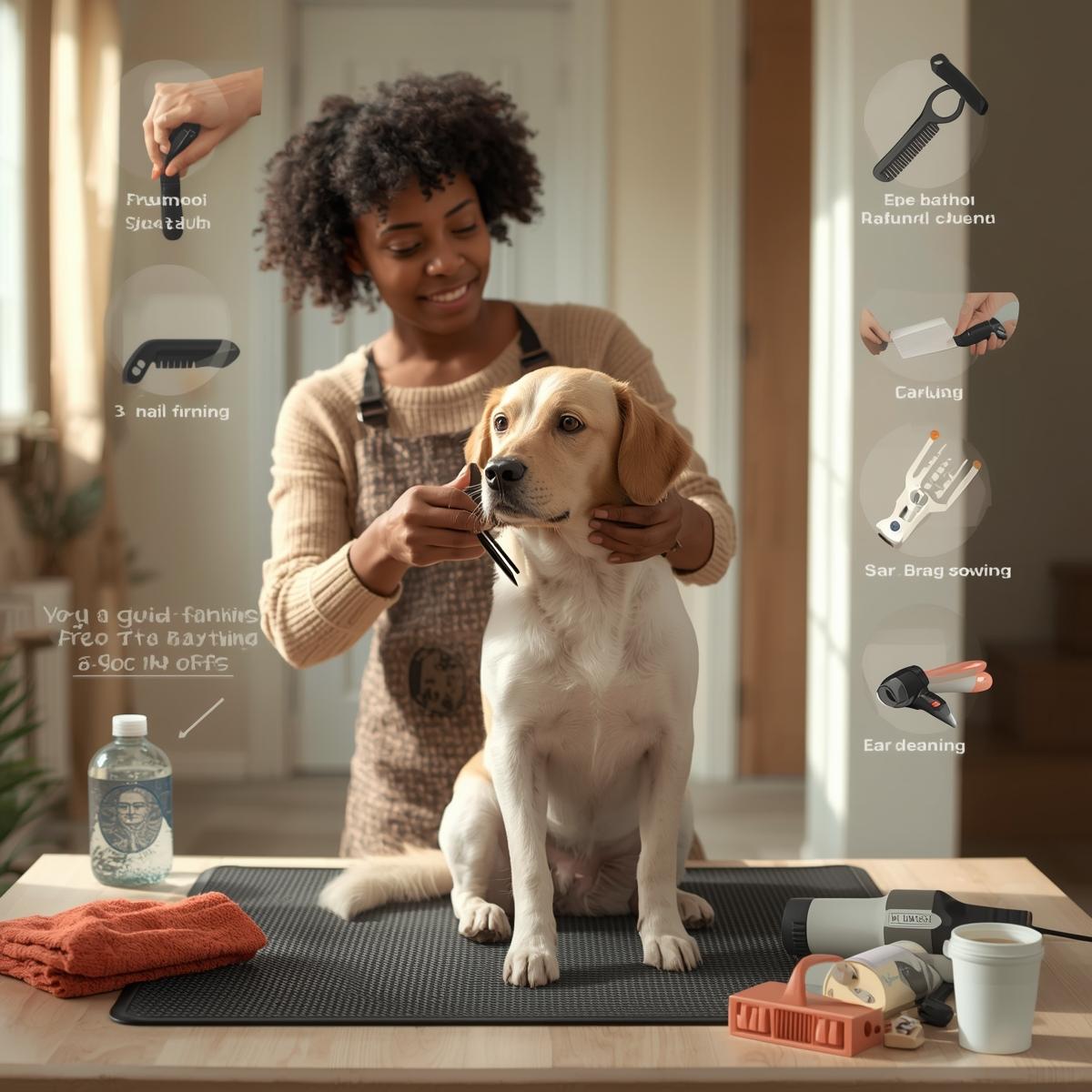
Dogs rely on owners for their daily care. A proper routine ensures health, hygiene, and well-being. Daily care involves feeding, exercise, hygiene, mental stimulation, and observation for signs of illness. This article provides a detailed guide on daily care routines for dogs, with practical steps and tips for owners.
Table of Contents
- Introduction
- Importance of Daily Care
- Feeding Routine
- Water and Hydration
- Exercise Routine
- Hygiene and Grooming
- Mental Stimulation
- Health Observation
- Social Interaction
- Sleep and Rest
- Routine Veterinary Care
- Handling Special Circumstances
- Common Mistakes in Daily Care
- Integrating Care into Household Routine
- Conclusion
Introduction
Daily care is essential for dogs to maintain health and prevent illness. A consistent routine helps dogs adapt to household rules, strengthens bonding with owners, and provides structure. Owners should focus on nutrition, physical activity, hygiene, mental stimulation, and monitoring health.
Importance of Daily Care
Daily care prevents disease, reduces stress, and supports physical and mental development. Regular routines allow early detection of health issues such as changes in appetite, mobility, or behavior. A consistent schedule creates predictability, which is important for dog behavior and training.
Feeding Routine
Feeding routines affect digestion, energy levels, and overall health.
- Provide meals at the same times each day
- Measure portions according to age, weight, and activity level
- Avoid feeding table scraps or harmful foods
- Monitor appetite and adjust portions if necessary
- Use feeding schedules to support house training and behavior management
Water and Hydration
Water is essential for organ function, temperature regulation, and digestion.
- Provide fresh water throughout the day
- Clean bowls daily to prevent bacterial growth
- Increase water intake after exercise or in hot weather
- Monitor for signs of dehydration such as dry gums or lethargy
Exercise Routine
Regular exercise maintains muscle tone, cardiovascular health, and mental stimulation.
- Short walks for puppies, longer walks for adult dogs
- Play sessions such as fetch or tug-of-war
- Activities suited to the dog’s energy level and breed
- Exercise outdoors in safe environments
- Avoid overexertion in extreme weather
Hygiene and Grooming
Grooming supports skin and coat health, prevents parasites, and detects abnormalities.
- Brush coat daily or as required by coat type
- Bathe dogs according to coat condition and lifestyle
- Trim nails to prevent overgrowth
- Clean ears to prevent infections
- Brush teeth or use dental chews to maintain oral health
Mental Stimulation
Mental exercise is essential to prevent boredom and behavioral issues.
- Provide puzzle toys or interactive feeders
- Teach new commands or tricks regularly
- Rotate toys to maintain interest
- Include scent-based games for dogs that enjoy sniffing activities
Health Observation
Daily observation allows early detection of illness or injury.
- Check skin, coat, and paws for cuts, lumps, or parasites
- Monitor eyes, ears, and nose for discharge or redness
- Observe gait and mobility
- Track appetite, water intake, and elimination habits
Social Interaction
Social interaction improves behavior and bonding with owners and other animals.
- Daily interaction with family members
- Positive exposure to other dogs and pets in controlled environments
- Avoid forced interactions with unfamiliar dogs to prevent stress or aggression
Sleep and Rest
Adequate rest supports immune function, growth, and energy levels.
- Provide a comfortable and clean sleeping area
- Maintain a quiet and consistent space for sleep
- Puppies and senior dogs require more rest than adults
Routine Veterinary Care
Routine veterinary care complements daily routines.
- Schedule regular checkups
- Maintain vaccination schedule
- Administer parasite prevention and medications as recommended
- Consult veterinarians for changes in behavior, appetite, or health
Handling Special Circumstances
Adjust routines for puppies, senior dogs, or dogs with medical conditions.
- Puppies require frequent feeding, potty breaks, and short exercise sessions
- Senior dogs may need gentler exercise and joint support
- Dogs with medical conditions may require dietary or activity adjustments
Common Mistakes in Daily Care
Mistakes can affect health or behavior.
- Irregular feeding or exercise schedules
- Ignoring hygiene or grooming needs
- Lack of mental stimulation
- Delayed response to signs of illness
Integrating Care into Household Routine
Daily care should be part of a consistent household schedule.
- Assign responsibilities among family members
- Use reminders for feeding, exercise, and grooming
- Maintain logs for health, medication, or behavior changes
Conclusion
A daily care routine supports the health and well-being of dogs. Feeding, hydration, exercise, hygiene, mental stimulation, social interaction, and veterinary care are essential components. Consistent observation allows early detection of issues. Integrating these practices into household routines ensures dogs remain healthy and supported throughout their lives.