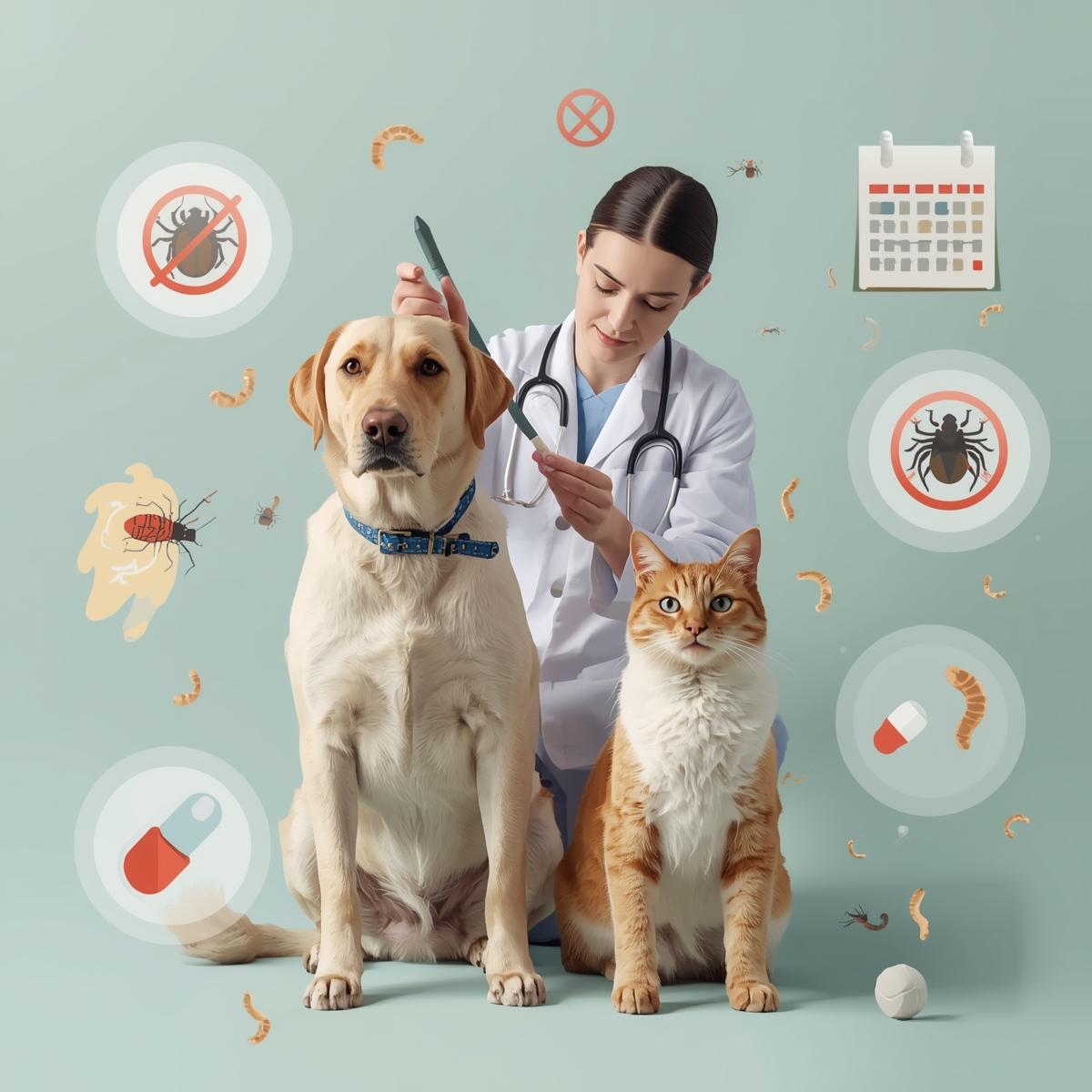
Pets are a source of companionship and loyalty. Caring for a pet requires attention to their health, diet, exercise, and environment. Understanding common health problems in pets and how to prevent them is essential to ensure a long and healthy life for dogs, cats, and other household animals. This article provides a comprehensive guide to the most frequent pet health issues and effective preventive measures.
Table of Contents
Introduction
Common Health Problems in Dogs
Obesity
Dental Disease
Ear Infections
Skin Conditions
Parasite Infestations
Common Health Problems in Cats
Urinary Tract Issues
Dental Disease
Obesity
Respiratory Infections
Parasite Infestations
General Preventive Care
Regular Veterinary Checkups
Vaccinations
Parasite Control
Nutrition
Exercise
Grooming
Recognizing Signs Your Pet Needs a Vet
First Aid Basics for Pet Owners
Conclusion
Introduction
Pets can experience a wide range of health issues throughout their lives. While some conditions are genetic, many health problems can be prevented or minimized with proper care. Regular monitoring, proper nutrition, and timely veterinary visits are key components of pet health management. Early identification of symptoms allows owners to address problems before they become severe.
Common Health Problems in Dogs
Dogs are prone to several health issues, depending on their breed, age, and lifestyle. Awareness of these problems helps owners provide proper care.
Obesity
Obesity occurs when a dog consumes more calories than it burns. It is linked to various health problems, including joint pain, diabetes, heart disease, and reduced life expectancy. Factors contributing to obesity include overfeeding, lack of exercise, and feeding table scraps.
Prevention
Feed a balanced diet according to the dog’s age, weight, and activity level.
Avoid giving table scraps.
Schedule regular exercise, including daily walks and playtime.
Monitor body weight regularly.
Dental Disease
Dental disease in dogs can lead to pain, difficulty eating, and infections. Common issues include tartar buildup, gingivitis, and tooth decay. If untreated, bacteria from dental disease can enter the bloodstream and affect the heart, liver, or kidneys.
Prevention
Brush teeth daily using dog-safe toothpaste.
Provide dental chews to help remove plaque.
Schedule professional dental cleaning at the veterinarian’s office.
Monitor for signs such as bad breath, drooling, or difficulty eating.
Ear Infections
Dogs, especially those with floppy ears, are prone to ear infections caused by bacteria, yeast, or mites. Symptoms include scratching, redness, foul odor, or discharge.
Prevention
Clean ears regularly with veterinarian-recommended solutions.
Dry ears thoroughly after baths or swimming.
Monitor for signs of irritation.
Avoid inserting objects into the ear canal.
Skin Conditions
Skin problems are common in dogs and may include allergies, hot spots, rashes, or fungal infections. Symptoms include itching, hair loss, redness, or sores.
Prevention
Bathe pets using mild, dog-safe shampoos.
Groom regularly to remove loose hair and dirt.
Monitor for signs of irritation or scratching.
Identify and remove allergens or irritants in the environment.
Parasite Infestations
Fleas, ticks, and intestinal worms are common in dogs. These parasites can cause anemia, skin irritation, digestive problems, and disease transmission.
Prevention
Administer regular flea and tick prevention treatments.
Deworm puppies and dogs periodically.
Keep living areas clean.
Check the dog’s coat and skin regularly.
Common Health Problems in Cats
Cats also face specific health issues that require attention. Understanding these problems helps maintain feline health.
Urinary Tract Issues
Urinary tract infections, bladder stones, or urinary blockages are common in cats. Symptoms include frequent urination, straining, blood in urine, or inappropriate urination outside the litter box.
Prevention
Provide fresh water at all times.
Feed a balanced diet, including wet food if recommended.
Maintain a clean litter box.
Monitor urination habits.
Dental Disease
Cats can develop tartar buildup, gingivitis, and tooth resorption. Dental problems may lead to pain, loss of appetite, or behavioral changes.
Prevention
Brush teeth with cat-safe toothpaste.
Offer dental treats and toys.
Schedule regular veterinary dental exams.
Obesity
Overfeeding and lack of activity contribute to obesity in cats, leading to diabetes, joint problems, and heart issues.
Prevention
Control portion sizes.
Encourage active play and exercise.
Avoid frequent feeding of treats.
Respiratory Infections
Cats can experience respiratory infections caused by viruses or bacteria. Symptoms include sneezing, coughing, runny nose, or eye discharge.
Prevention
Vaccinate against common infections.
Keep cats indoors to reduce exposure to pathogens.
Maintain a clean environment.
Parasite Infestations
Fleas, ticks, and intestinal worms affect cats as well. Parasites can cause itching, anemia, and disease transmission.
Prevention
Apply regular flea and tick prevention.
Deworm kittens and adult cats as recommended.
Keep living areas clean.
General Preventive Care
Prevention is the key to reducing health problems in pets. Routine care includes veterinary checkups, vaccinations, parasite control, proper nutrition, exercise, and grooming.
Regular Veterinary Checkups
Regular veterinary visits help detect early signs of disease. Most veterinarians recommend annual exams for healthy adult pets and more frequent visits for puppies, kittens, or senior animals.
Benefits
Early detection of disease.
Monitoring of weight and body condition.
Vaccination updates.
Guidance on nutrition and lifestyle.
Vaccinations
Vaccinations protect pets from common viral and bacterial infections. Core vaccines vary by species and include protection against rabies, distemper, parvovirus, and feline leukemia.
Recommendations
Follow a veterinarian-recommended vaccination schedule.
Maintain a record of all vaccinations.
Update vaccines based on age and risk factors.
Parasite Control
Parasites such as fleas, ticks, and worms can cause health problems and transmit diseases.
Preventive Measures
Use veterinarian-approved flea, tick, and worm prevention.
Check pets regularly for signs of infestation.
Keep living areas clean and sanitized.
Nutrition
A balanced diet supports overall health and prevents obesity and nutrient deficiencies. Feeding appropriate food based on age, weight, and activity level is essential.
Guidelines
Choose high-quality commercial pet food or a veterinarian-approved homemade diet.
Avoid feeding toxic human foods.
Monitor weight and body condition.
Exercise
Regular physical activity maintains healthy weight, muscle tone, and mental well-being.
Recommendations
Daily walks or play sessions for dogs.
Interactive toys and climbing structures for cats.
Encourage movement to prevent obesity.
Grooming
Grooming prevents skin problems, reduces shedding, and maintains coat health.
Basic Grooming Practices
Regular brushing.
Bathing as needed.
Nail trimming and ear cleaning.
Dental care.
Recognizing Signs Your Pet Needs a Vet
Timely intervention is important when pets show unusual behavior or symptoms. Some signs that require veterinary attention include:
Loss of appetite or sudden weight change
Vomiting or diarrhea lasting more than a day
Lethargy or unusual behavior
Persistent coughing, sneezing, or difficulty breathing
Visible injuries, swelling, or pain
Changes in urination or defecation habits
First Aid Basics for Pet Owners
Pet owners should be prepared to provide basic first aid while seeking professional care. Key first aid measures include:
Controlling bleeding with clean cloth or bandage
Removing small foreign objects from paws or fur
Treating minor cuts with antiseptic
Stabilizing pets in case of injury
Knowing emergency contacts and nearest veterinary clinics
Conclusion
Understanding common health problems and their prevention is essential for responsible pet ownership. Regular veterinary care, vaccinations, parasite control, proper nutrition, exercise, and grooming are crucial for maintaining pet health. Early detection of symptoms allows timely intervention, preventing complications and promoting a longer, healthier life for pets. By following preventive measures and monitoring behavior, pet owners can ensure that their pets remain healthy and active.