Selecting the right food for pets is critical for their health, growth, and longevity. The wide variety of commercial and homemade diets can make this process challenging for pet owners. Dogs and cats have different nutritional requirements based on species, age, size, activity level, and health conditions. Choosing the right pet food involves understanding nutrient content, life-stage needs, dietary preferences, ingredient quality, and feeding guidelines.
Table of Contents
- Introduction
- Why Choosing the Right Pet Food Matters
- Understanding Nutritional Requirements
- Life Stage Considerations
- Breed and Size Considerations
- Types of Pet Food
- Commercial Pet Food
- Homemade Pet Food
- Raw Diets
- Wet Food vs Dry Food
- Reading Pet Food Labels
- Understanding Ingredients
- Identifying Complete and Balanced Foods
- Special Diets for Health Conditions
- Allergies and Food Sensitivities
- Feeding Frequency and Portions
- Monitoring Pet Health and Weight
- Common Mistakes in Choosing Pet Food
- Consulting a Veterinarian
- Conclusion
Introduction
Pets depend entirely on their owners for nutrition. Providing the right food ensures they receive essential nutrients for energy, growth, immune support, and organ function. Incorrect diets can result in obesity, malnutrition, chronic illnesses, or developmental issues. Understanding the principles of proper pet nutrition helps owners make informed decisions.
Why Choosing the Right Pet Food Matters
- Supports growth and development in puppies and kittens
- Maintains energy and organ function in adult pets
- Prevents nutrient deficiencies and chronic diseases
- Supports healthy weight management
- Improves digestion, coat quality, and overall well-being
Understanding Nutritional Requirements
- Dogs are omnivores; require protein, fats, carbohydrates, vitamins, and minerals
- Cats are obligate carnivores; require high protein, taurine, specific vitamins, and fatty acids
- Nutritional needs vary based on age, breed, size, and activity level
- Essential nutrients include amino acids, fatty acids, vitamins, minerals, and water
Life Stage Considerations
- Puppies and Kittens: Require nutrient-dense diets with higher protein, fat, and calories to support growth
- Adult Pets: Require balanced diets for maintenance, with portion control to prevent weight gain
- Senior Pets: Require diets with lower calories but sufficient protein to prevent muscle loss, and supplements for joint health
Breed and Size Considerations
- Small breed dogs have higher metabolism and require calorie-dense food
- Large breed dogs need controlled calcium and phosphorus to support bone development
- Certain breeds may have predispositions to health issues, influencing dietary requirements
Types of Pet Food
- Dry Food (Kibble)
- Wet Food (Canned or Pouch)
- Homemade Food
- Raw Diets (BARF – Bones and Raw Food)
- Prescription or Veterinary Diets
Commercial Pet Food
- Formulated to meet complete and balanced nutritional standards
- Available in various flavors, life-stage formulas, and special dietary needs
- Convenient, long shelf life, and regulated for safety and nutrient content
Homemade Pet Food
- Allows control over ingredients
- Can accommodate allergies or health conditions
- Requires careful planning to ensure balanced nutrition
- May require supplementation of vitamins and minerals
Raw Diets
- Includes raw meat, bones, organs, and vegetables (for dogs)
- Requires strict hygiene and careful nutrient balance
- Can support natural feeding instincts but carries risk of bacterial contamination
- Consultation with a veterinarian is essential before starting a raw diet
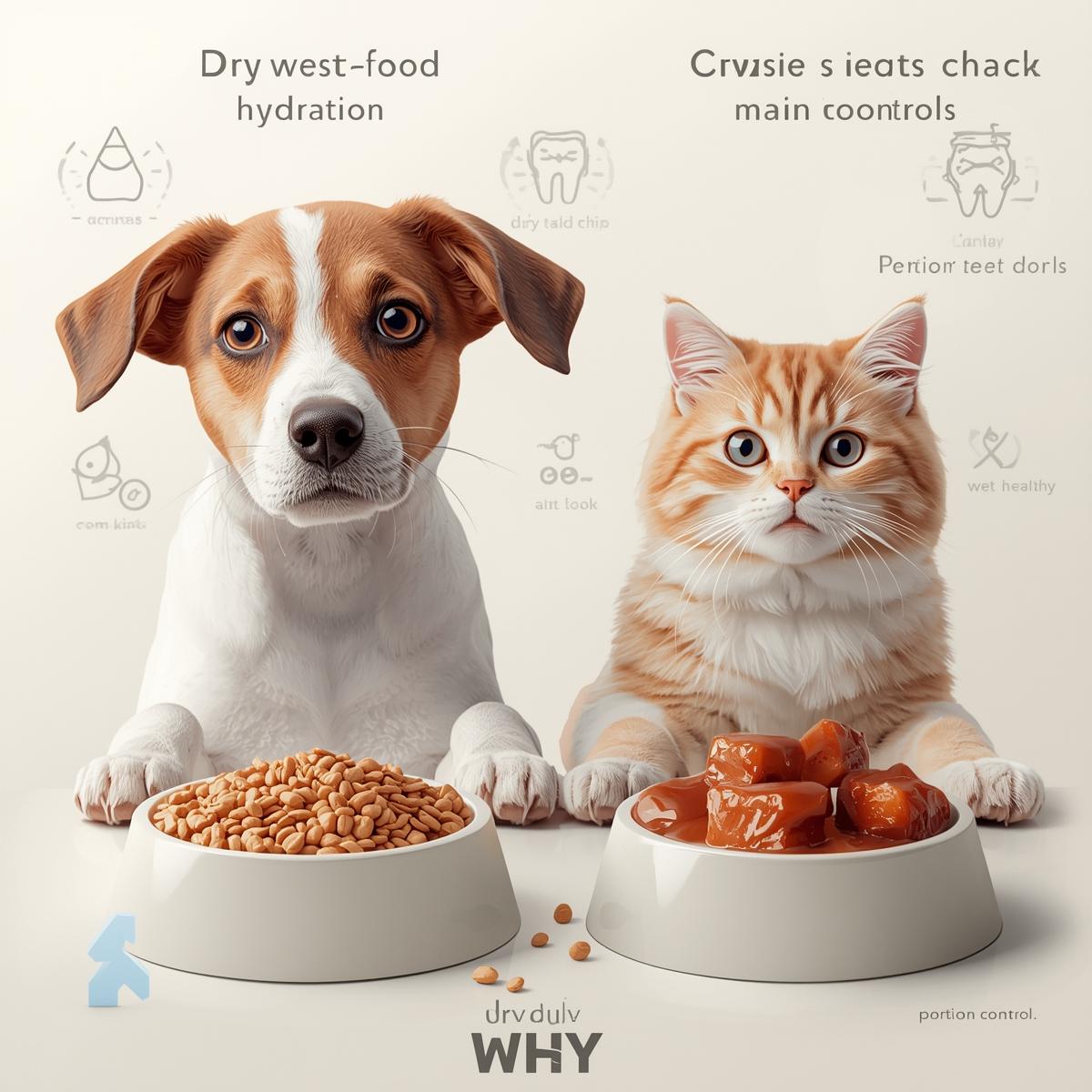
Wet Food vs Dry Food
- Wet Food: Higher moisture content, easy to chew, palatable, supports hydration
- Dry Food: Convenient, cost-effective, helps with dental tartar control
- Both can meet nutritional requirements if labeled complete and balanced
- Combination feeding can provide variety, hydration, and dental benefits
Reading Pet Food Labels
- Check for complete and balanced nutrition statements
- Examine guaranteed analysis for protein, fat, fiber, and moisture content
- Identify life-stage suitability and any special formulations
- Recognize fillers, artificial additives, and low-quality ingredients
Understanding Ingredients
- High-quality protein sources are critical, especially for cats
- Whole grains, vegetables, and legumes provide energy and fiber for dogs
- Avoid foods with excessive fillers, artificial colors, flavors, or preservatives
- Look for named animal proteins (chicken, beef, fish) as primary ingredients
Identifying Complete and Balanced Foods
- Pet food labeled “complete and balanced” meets minimum nutritional requirements
- Ensure diet aligns with species-specific and life-stage needs
- Consult veterinary guidance if homemade or specialty diets are used
Special Diets for Health Conditions
- Prescription diets for kidney disease, diabetes, obesity, or allergies
- Limited-ingredient diets for pets with food sensitivities
- Diets formulated to support joint health, digestion, or urinary tract health
- Always follow veterinary recommendations for therapeutic diets
Allergies and Food Sensitivities
- Common allergens include beef, chicken, dairy, wheat, soy, and grains
- Symptoms include itching, gastrointestinal upset, or ear infections
- Limited-ingredient or novel protein diets can help identify triggers
- Gradual diet trials are necessary to confirm intolerance
Feeding Frequency and Portions
- Puppies/kittens: 3–5 meals per day
- Adult dogs/cats: 1–2 meals per day, based on size and activity
- Senior pets: multiple small meals may aid digestion
- Portion control prevents obesity and supports digestive health
Monitoring Pet Health and Weight
- Regular weight checks and body condition scoring
- Monitor stool consistency, appetite, and energy levels
- Adjust portions, feeding frequency, or food type based on health status
- Regular veterinary checkups support nutritional evaluation
Common Mistakes in Choosing Pet Food
- Selecting food based solely on price or marketing
- Overfeeding or free-feeding without portion control
- Ignoring life-stage or breed-specific nutritional needs
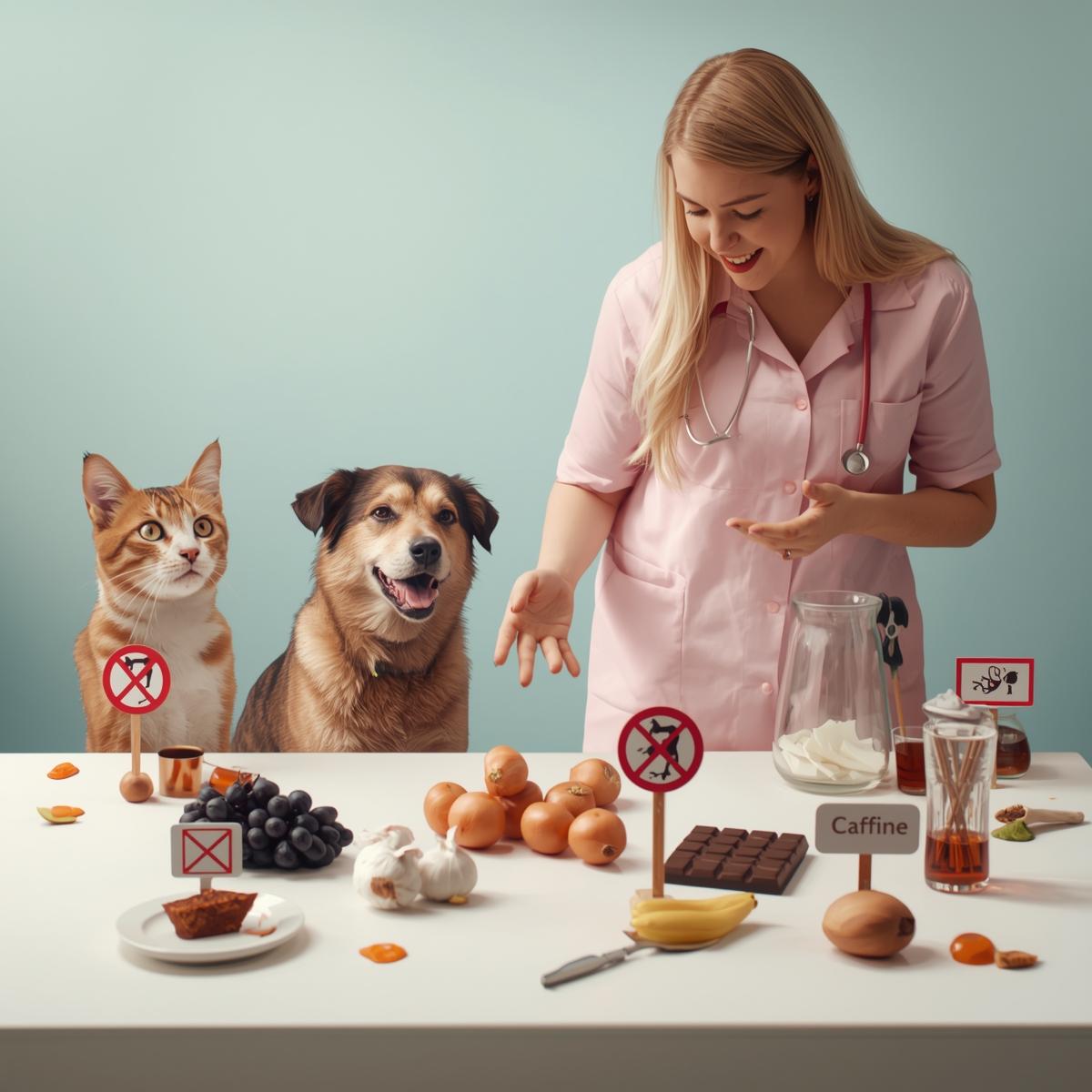
- Feeding human foods that may be harmful
- Changing diets abruptly without transition
Consulting a Veterinarian
- Professional guidance ensures proper nutrition and health monitoring
- Necessary for pets with medical conditions, allergies, or special needs
- Veterinarians can recommend complete diets or advise on homemade meal planning
- Periodic checkups help detect nutrient deficiencies early
Conclusion
Choosing the right pet food is a critical decision that impacts overall health, energy, growth, and longevity. Owners must consider species-specific needs, life stage, breed, activity level, and health conditions. Understanding types of food, nutritional content, label information, feeding guidelines, and dietary restrictions ensures pets receive balanced, safe, and appropriate nutrition. Monitoring health, adjusting portions, and consulting veterinarians are essential for maintaining optimal well-being.