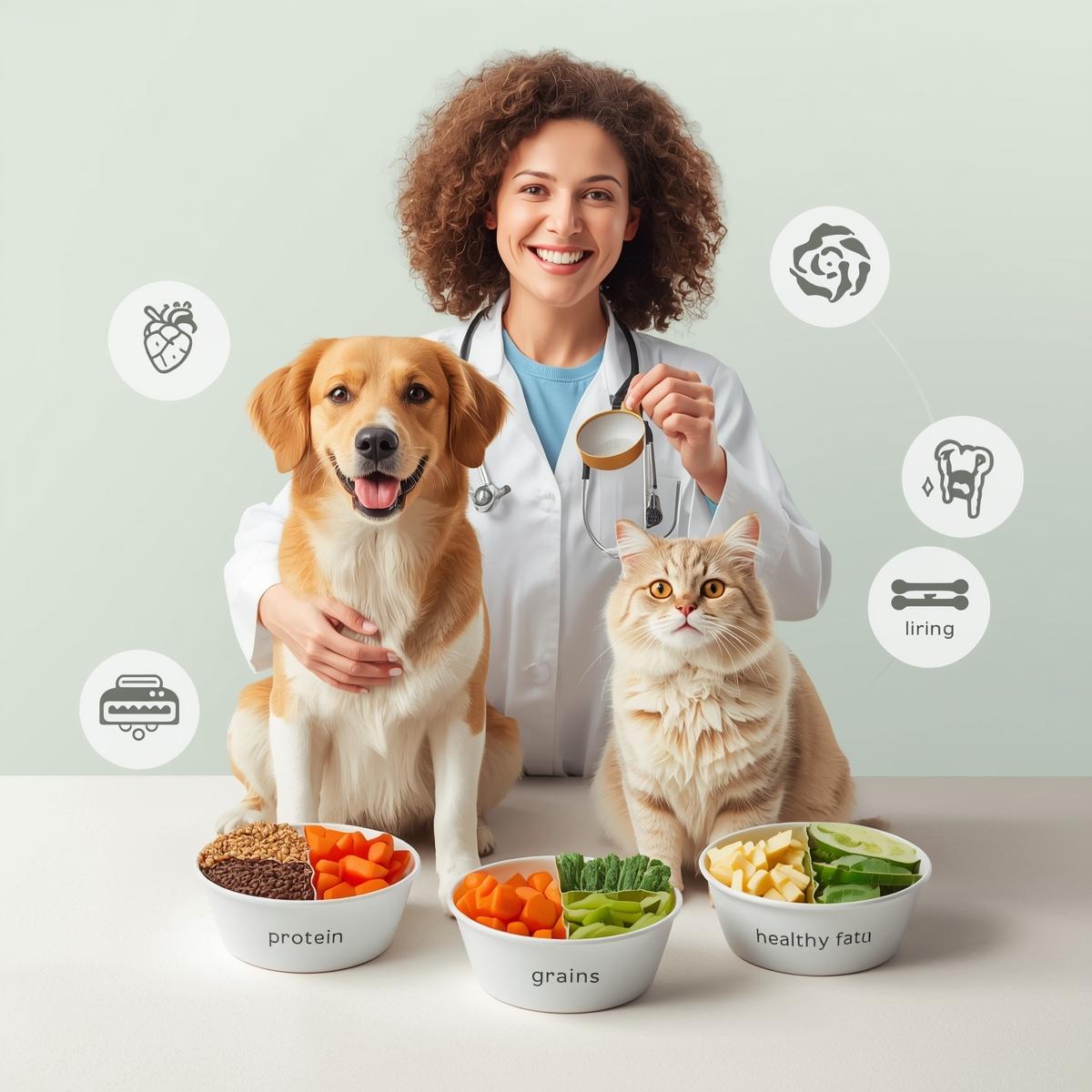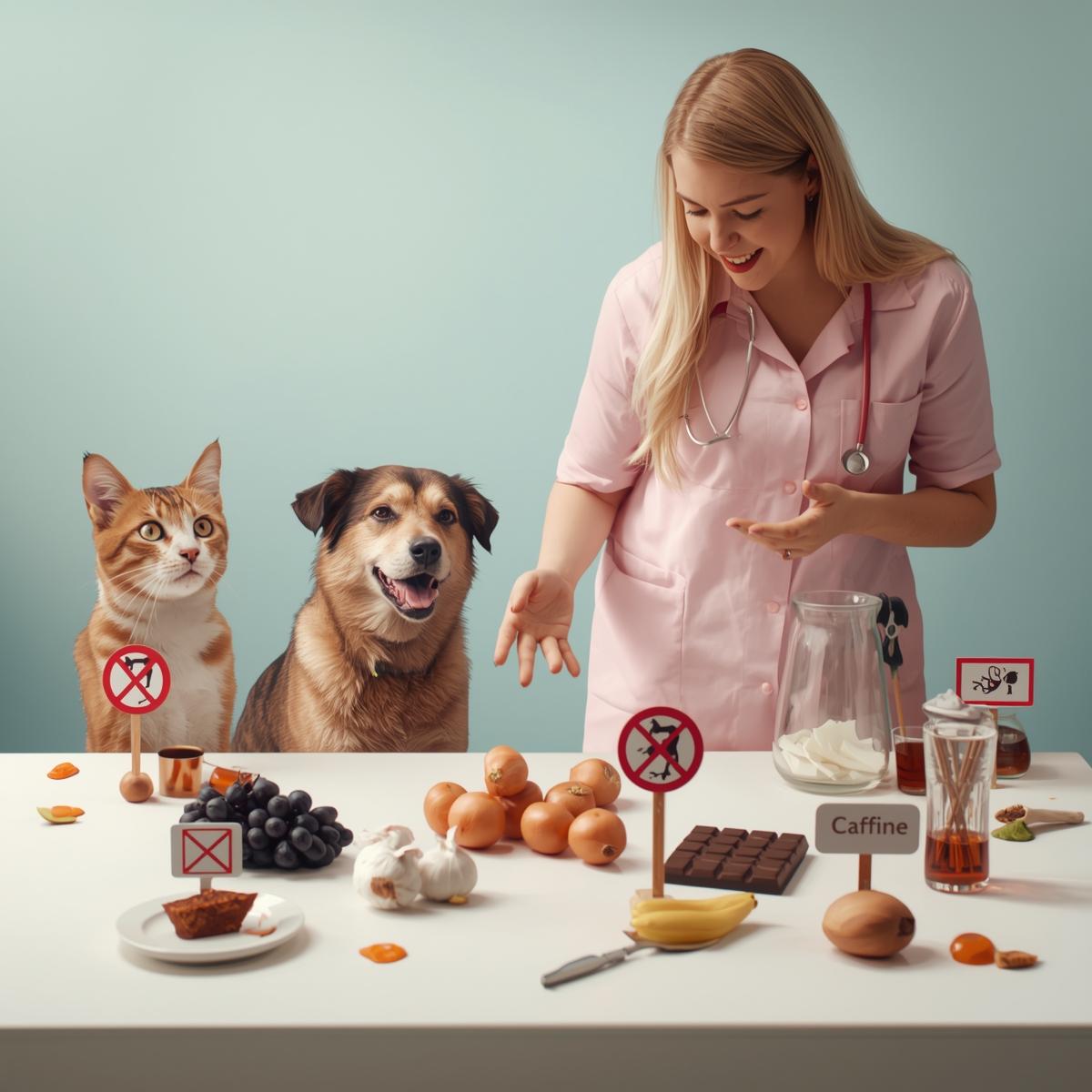
Preparing homemade food for pets can provide control over ingredients, support specific dietary needs, and offer variety. Properly prepared meals can meet nutritional requirements when done carefully. This guide explains the principles of creating safe, balanced homemade meals for dogs and cats, including ingredient selection, nutrient balance, preparation methods, feeding guidelines, and precautions.
Table of Contents
- Introduction
- Benefits of Homemade Pet Food
- Risks and Precautions
- Understanding Nutritional Requirements
- Protein Sources
- Carbohydrates and Fiber
- Fats and Oils
- Vitamins and Minerals
- Fruits and Vegetables
- Ingredients to Avoid
- Meal Planning
- Portion Control
- Feeding Puppies and Kittens
- Feeding Adult Pets
- Feeding Senior Pets
- Cooking and Preparation Techniques
- Raw Diet Considerations
- Storage and Shelf Life
- Monitoring Pet Health
- Consulting a Veterinarian
- Conclusion
Introduction
Homemade pet food allows owners to select ingredients carefully, avoid additives, and accommodate pets with allergies or health conditions. However, creating a nutritionally complete meal requires knowledge of pet dietary needs. Improper balance can lead to nutrient deficiencies or excesses, which may harm growth, organ function, or overall health.
Benefits of Homemade Pet Food
- Full control over ingredient quality
- Avoidance of artificial additives, preservatives, and fillers
- Ability to tailor meals to allergies, intolerances, or health conditions
- Encourages bonding between pets and owners through preparation
- Can improve palatability and appetite in picky eaters
Risks and Precautions
- Imbalanced diets can lead to deficiencies or toxicities
- Certain human foods are toxic to pets (e.g., onions, garlic, chocolate)
- Raw diets carry the risk of bacterial contamination
- Time and effort required to plan and prepare meals consistently
- Professional guidance is recommended to ensure nutritional adequacy
Understanding Nutritional Requirements
- Dogs are omnivores: require protein, fats, carbohydrates, vitamins, minerals, and water
- Cats are obligate carnivores: require high protein, taurine, arachidonic acid, vitamin A, and B vitamins
- Nutrient requirements vary by age, activity, breed, and health status
- Balanced meals must provide energy, essential nutrients, and digestibility
Protein Sources
- Meat: chicken, beef, turkey, lamb
- Fish: salmon, sardines (cooked or properly frozen for parasites)
- Eggs: cooked, scrambled, or boiled
- Dairy: in moderation, suitable for dogs; many cats are lactose intolerant
- Plant proteins: lentils, chickpeas, and peas (mainly for dogs, cats require primarily animal protein)
Carbohydrates and Fiber
- Rice, oats, barley, quinoa, and sweet potatoes for energy
- Fiber aids digestion and supports bowel health
- Cats require minimal carbohydrates, focus on animal-based protein and fat
- Avoid excessive starch in cats to prevent obesity and digestive issues
Fats and Oils
- Animal fats provide energy and support coat health
- Fish oil or flaxseed oil provides omega-3 fatty acids
- Fats are essential but should be measured to prevent weight gain
- Balance omega-3 and omega-6 fatty acids for optimal health
Vitamins and Minerals
- Calcium and phosphorus: important for bones and teeth
- Potassium and sodium: support nerve and muscle function
- Vitamin A, D, and E: support vision, bone, and immune function
- Commercial supplements may be necessary to ensure balanced nutrition
Fruits and Vegetables
- Dogs can safely consume carrots, pumpkin, peas, and spinach
- Fruits such as apples and blueberries provide antioxidants and fiber
- Avoid grapes, raisins, onions, and avocado
- Cats require minimal fruits and vegetables, primarily for fiber or enrichment
Ingredients to Avoid
- Chocolate, caffeine, alcohol, onions, garlic
- Artificial sweeteners, especially xylitol
- Raw dough or uncooked grains for yeast toxicity
- High-salt or heavily spiced foods
- Bones from poultry can splinter and cause injury
Meal Planning
- Include protein, fat, and carbohydrate sources appropriate to species
- Add vitamins and minerals to meet daily requirements
- Use recipes verified by veterinary nutritionists or reputable sources
- Rotate proteins to provide variety and prevent intolerance
Portion Control
- Calculate caloric needs based on weight, age, and activity
- Avoid overfeeding to prevent obesity
- Measure food accurately for consistency
- Adjust portions according to growth, activity, and health changes
Feeding Puppies and Kittens
- Require higher protein and calorie content
- Smaller, frequent meals to support growth
- Ensure essential nutrients like calcium, phosphorus, taurine, and DHA
- Monitor growth closely and adjust portions as needed
Feeding Adult Pets
- Balanced meals with moderate protein, fat, and carbohydrates
- Maintain healthy weight through portion control
- Adjust calorie intake based on activity level
- Monitor for signs of allergies or digestive sensitivity
Feeding Senior Pets
- Lower calorie intake for less active pets
- Maintain protein levels to prevent muscle loss
- Provide easily digestible ingredients
- Include joint-supporting supplements if recommended
Cooking and Preparation Techniques
- Cook meat thoroughly to prevent pathogens
- Lightly steam vegetables to preserve nutrients
- Avoid seasoning or spices
- Mix ingredients thoroughly for consistent nutrient distribution
Raw Diet Considerations
- Raw diets may mimic natural feeding but carry risks of bacterial contamination
- Strict hygiene and freezing protocols are essential
- Raw diets must be carefully balanced to meet nutrient needs
- Consult a veterinarian before starting a raw diet
Storage and Shelf Life
- Homemade meals can be stored in the refrigerator for 2–3 days
- Freeze portions for up to 2–3 weeks
- Use airtight containers to maintain freshness
- Label with date and ingredients for safe rotation
Monitoring Pet Health
- Observe energy, coat condition, stool consistency, and weight
- Adjust meals if there are signs of nutrient deficiency or excess
- Schedule regular veterinary checkups for monitoring
- Blood tests may be necessary for long-term homemade diets
Consulting a Veterinarian
- Professional guidance ensures nutritional balance
- Supplements may be necessary for calcium, taurine, or vitamins
- Veterinarians can help create recipes specific to life stage or health condition
- Avoid guessing nutrient content to prevent long-term health issues
Conclusion
Homemade pet food can provide control over ingredients, accommodate dietary needs, and offer variety. However, careful planning is essential to ensure balanced nutrition. Understanding protein, carbohydrate, fat, vitamin, and mineral requirements for dogs and cats prevents deficiencies or excesses. Following proper preparation, storage, and feeding guidelines supports health, digestion, and overall well-being. Consulting a veterinarian or pet nutritionist ensures pets receive a complete, safe, and nutritionally adequate diet.