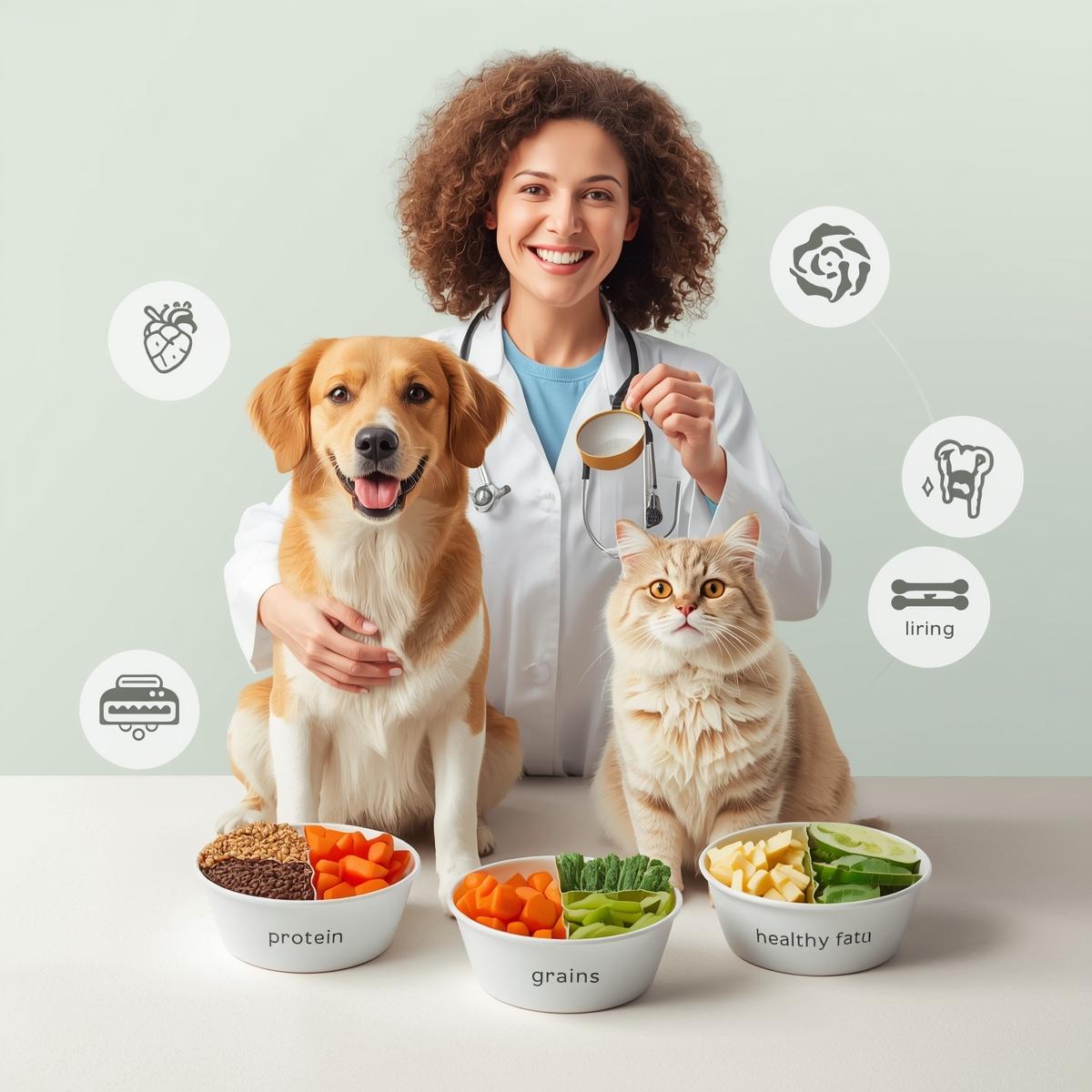
A balanced diet is essential for maintaining the health, growth, and longevity of pets. Proper nutrition supports organ function, energy levels, immune system performance, and overall well-being. Different pets have varying dietary requirements depending on species, age, size, activity level, and health conditions. This guide provides a complete overview of creating and maintaining a balanced diet for pets, including nutrients, meal planning, feeding schedules, and dietary considerations.
Table of Contents
- Introduction
- Importance of a Balanced Diet for Pets
- Understanding Pet Nutritional Needs
- Essential Nutrients for Pets
- Protein Requirements
- Carbohydrates in Pet Diets
- Fats and Fatty Acids
- Vitamins and Minerals
- Water and Hydration
- Diet for Puppies and Kittens
- Diet for Adult Pets
- Diet for Senior Pets
- Pet Weight Management
- Feeding Frequency and Portions
- Special Diets for Health Conditions
- Homemade vs Commercial Diets
- Reading Pet Food Labels
- Common Feeding Mistakes
- Monitoring and Adjusting Diets
- Conclusion
Introduction
Pets rely entirely on their owners for nutrition. A balanced diet provides energy, supports growth, maintains organ function, and helps prevent diseases. Inadequate or imbalanced diets can lead to obesity, malnutrition, weakened immunity, and behavioral issues.
Importance of a Balanced Diet for Pets
- Maintains optimal body weight
- Supports muscle development and energy levels
- Promotes a healthy immune system
- Prevents nutrient deficiencies and chronic illnesses
- Improves skin and coat condition
- Enhances overall longevity
Understanding Pet Nutritional Needs
- Dogs are omnivores and can digest both plant and animal-based foods.
- Cats are obligate carnivores and require high-protein diets with specific amino acids like taurine.
- Pets have unique dietary needs based on life stage, breed, activity level, and health conditions.
- Understanding these requirements is key to creating a balanced diet.
Essential Nutrients for Pets
- Protein: Supports tissue repair, muscle maintenance, and enzyme production.
- Fats: Provide energy, support skin health, and facilitate absorption of fat-soluble vitamins.
- Carbohydrates: Provide energy, support digestion, and supply fiber.
- Vitamins: Essential for metabolism, immunity, and organ function.
- Minerals: Support bone health, fluid balance, and nerve function.
- Water: Maintains hydration, regulates body temperature, and supports kidney and urinary health.
Protein Requirements
- Protein should be the primary nutrient, especially for cats and active dogs.
- Sources include meat, fish, poultry, and eggs.
- Protein supports growth in puppies and kittens and muscle maintenance in adults.
- Consult guidelines for species-specific daily protein needs.
Carbohydrates in Pet Diets
- Provide energy and support gut health through fiber.
- Include grains, vegetables, and legumes in dog diets when appropriate.
- Cats require minimal carbohydrates, as their bodies are adapted to metabolize proteins and fats primarily.
- Excess carbohydrates can contribute to weight gain and digestive issues.
Fats and Fatty Acids
- Fats are a concentrated energy source and support cell function.
- Omega-3 and Omega-6 fatty acids support coat health, brain function, and inflammation management.
- Balance fat intake according to activity level and body condition.
Vitamins and Minerals
- Vitamins A, D, E, and K support various organ functions.
- B vitamins support metabolism and nervous system health.
- Minerals such as calcium, phosphorus, and magnesium are essential for bones and teeth.
- Ensure supplements are used only when necessary and under guidance.
Water and Hydration
- Fresh water should always be available.
- Hydration is critical for kidney and urinary health.
- Wet food contributes to water intake.
- Monitor for changes in water consumption, as it can indicate health issues.
Diet for Puppies and Kittens
- Require higher protein and calorie intake to support growth.
- Feed small, frequent meals.
- Include essential fatty acids and minerals for bone and brain development.
- Monitor weight and growth closely to prevent underfeeding or overfeeding.
Diet for Adult Pets
- Provide a stable, balanced diet based on activity level.
- Adjust portions according to metabolism and body condition.
- Avoid excessive treats and table scraps.
- Monitor weight monthly and adjust feeding accordingly.
Diet for Senior Pets
- Reduced calorie intake may be needed due to lower activity levels.
- Maintain protein intake to prevent muscle loss.
- Include joint-supporting nutrients such as glucosamine and chondroitin if recommended.
- Monitor for dental issues and adjust food type accordingly.
Pet Weight Management
- Use body condition scoring to determine ideal weight.
- Avoid free-feeding for pets prone to obesity.
- Adjust portions and feeding frequency as needed.
- Encourage daily activity and play for energy expenditure.
Feeding Frequency and Portions
- Puppies and kittens: 3–5 meals per day.
- Adult dogs: 2 meals per day.
- Adult cats: 1–2 meals per day, depending on preference and activity.
- Senior pets may benefit from multiple small meals to aid digestion.
Special Diets for Health Conditions
- Diabetes: Small, consistent meals with complex carbohydrates.
- Kidney disease: Low-protein, restricted phosphorus diets.
- Obesity: Calorie-controlled diets with high protein and fiber.
- Allergies: Limited-ingredient or hypoallergenic diets.
Homemade vs Commercial Diets
- Commercial diets are formulated to meet nutritional standards and simplify feeding.
- Homemade diets allow customization but require careful planning to avoid deficiencies.
- Consult a veterinarian before making homemade or raw diet changes.
Reading Pet Food Labels
- Check protein, fat, carbohydrate, vitamin, and mineral content.
- Look for complete and balanced nutrition claims.
- Ensure ingredients meet species-specific requirements.
- Avoid foods with excessive fillers, artificial additives, or low-quality sources.
Common Feeding Mistakes
- Overfeeding leading to obesity.
- Underfeeding causing malnutrition.
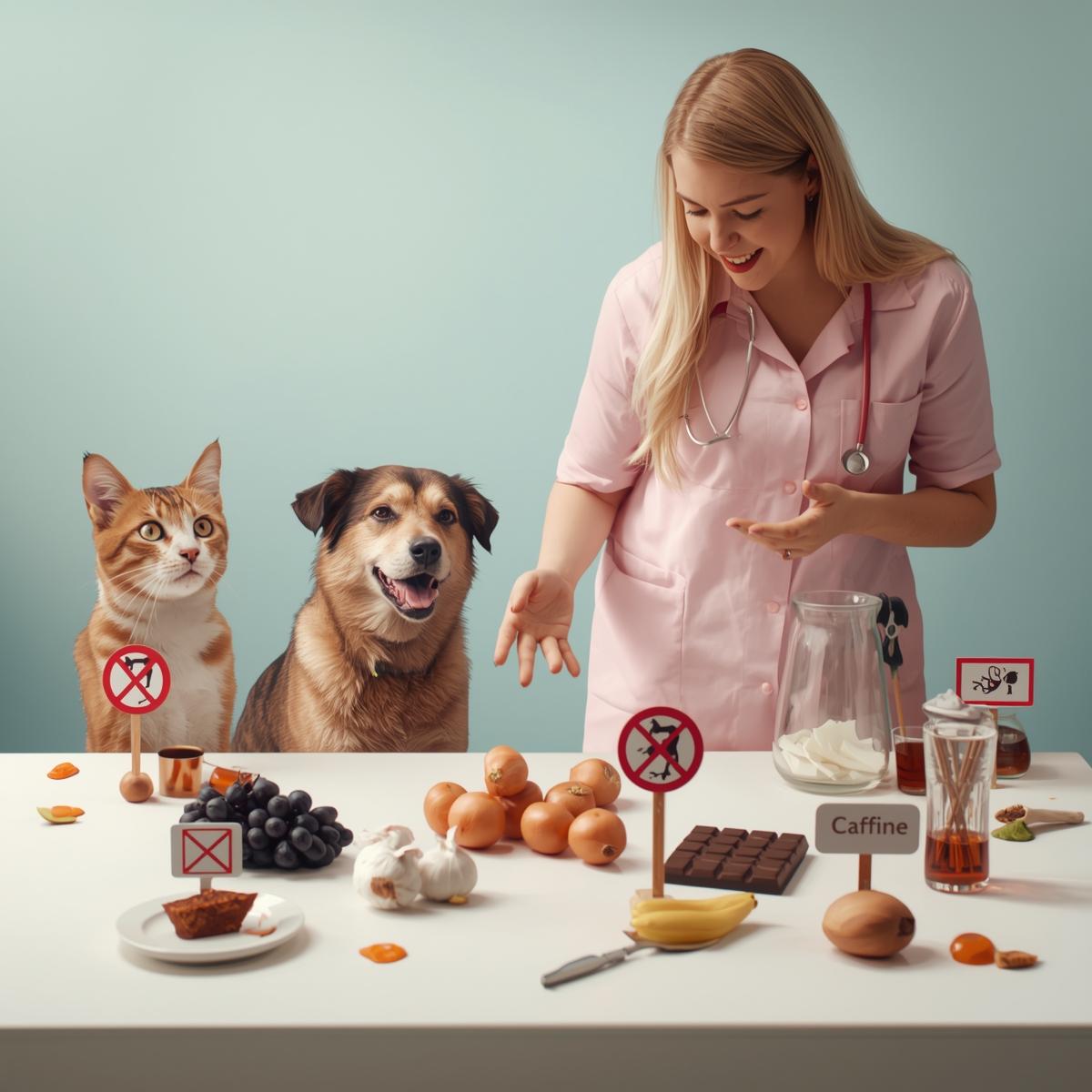
- Feeding inappropriate human food.
- Frequent diet changes without transition.
- Ignoring special nutritional needs for age or health conditions.
Monitoring and Adjusting Diets
- Observe energy levels, coat condition, and stool quality.
- Monitor weight monthly to ensure stability.
- Adjust portion size or type of food as needed.
- Seek veterinary guidance for persistent issues or dietary adjustments.
Conclusion
Providing a balanced diet is one of the most important responsibilities of a pet owner. Proper nutrition supports growth, organ function, immunity, and overall well-being. By understanding essential nutrients, feeding requirements, life stage needs, and health considerations, owners can create a diet plan that meets their pets’ needs. Monitoring, portion control, and consulting professionals when needed ensure pets remain healthy, active, and maintain optimal weight throughout their lives.