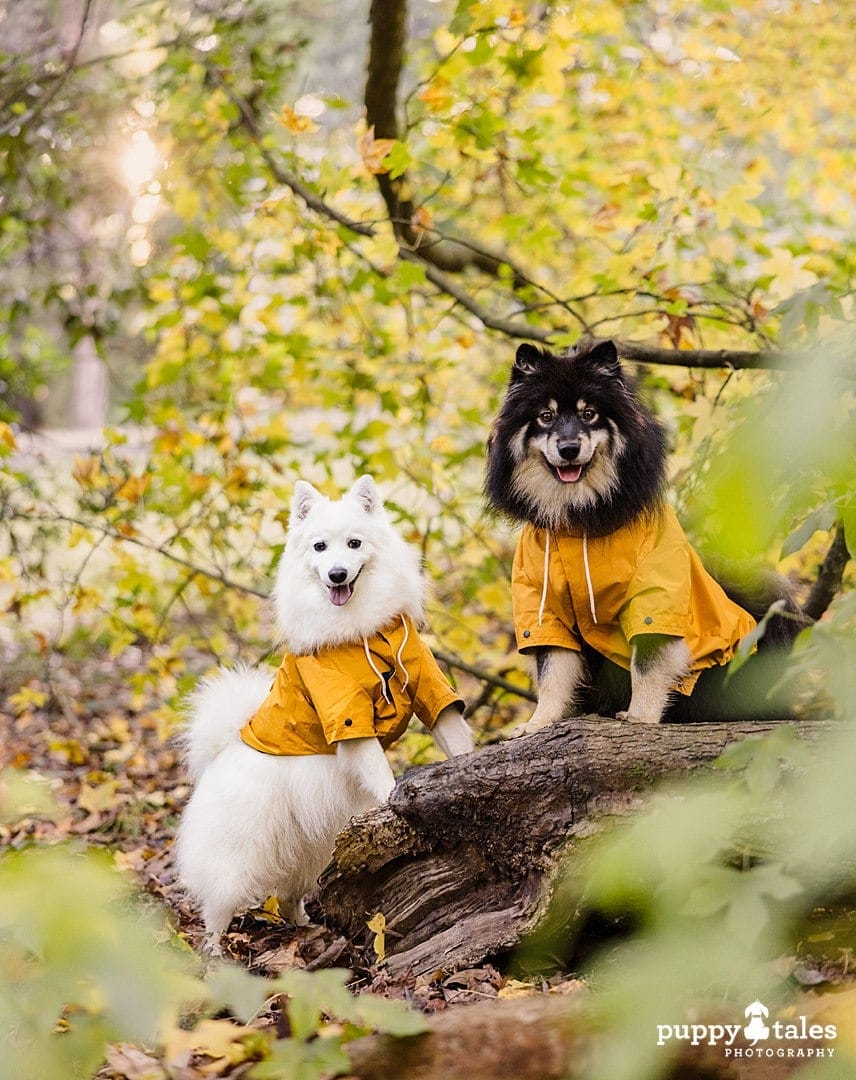
Dogs communicate through behavior, body language, and vocalizations. Understanding dog behavior is essential for owners to build trust, manage training, and ensure safety. Misinterpreting signals can lead to stress, aggression, or anxiety in dogs. This article provides a comprehensive guide to understanding dog behavior, including common behaviors, body language, socialization, communication, and behavioral management strategies.
Table of Contents
- Introduction
- Importance of Understanding Dog Behavior
- Canine Communication
- Body Language
- Vocalizations
- Facial Expressions
- Common Dog Behaviors and Their Meanings
- Wagging Tail
- Barking
- Growling
- Whining
- Jumping
- Digging
- Chewing
- Licking
- Humping
- Aggression and Fear
- Causes of Aggression
- Recognizing Fear Signals
- Managing Aggressive Behavior
- Socialization and Its Role in Behavior
- Training and Behavior Modification
- Behavioral Issues and Prevention
- Separation Anxiety
- Destructive Behavior
- Excessive Barking
- Environmental Factors Affecting Behavior
- Health and Behavior
- Breed-Specific Behavioral Traits
- Recognizing Stress and Anxiety
- Positive Reinforcement
- Avoiding Punishment-Based Methods
- Understanding Puppy Behavior
- Understanding Senior Dog Behavior
- Tools for Monitoring Behavior
- Signs That Require Professional Help
- Building a Strong Owner-Dog Relationship
- Conclusion
Introduction
Dogs communicate primarily through behavior and nonverbal cues. Owners who understand these cues can respond appropriately to meet their dog’s physical and emotional needs. Behavior reflects health, temperament, environment, and training. Awareness of dog behavior reduces conflicts, prevents injuries, and promotes well-being.
Importance of Understanding Dog Behavior
Understanding behavior helps owners:
- Build trust and strengthen bonds
- Prevent behavioral problems
- Ensure safety around dogs
- Provide appropriate training and enrichment
- Detect early signs of illness or distress
Canine Communication
Body Language
Body posture, tail position, ear movement, and overall stance convey a dog’s emotional state.
- Relaxed posture: comfort and confidence
- Stiff posture: alertness or tension
- Crouching or hiding: fear or submission
Vocalizations
Dogs use vocalizations to express needs or emotions.
- Barking: alert, playful, or attention-seeking
- Growling: warning, discomfort, or play
- Whining: stress, discomfort, or desire for attention
- Howling: communication with other dogs or response to sounds
Facial Expressions
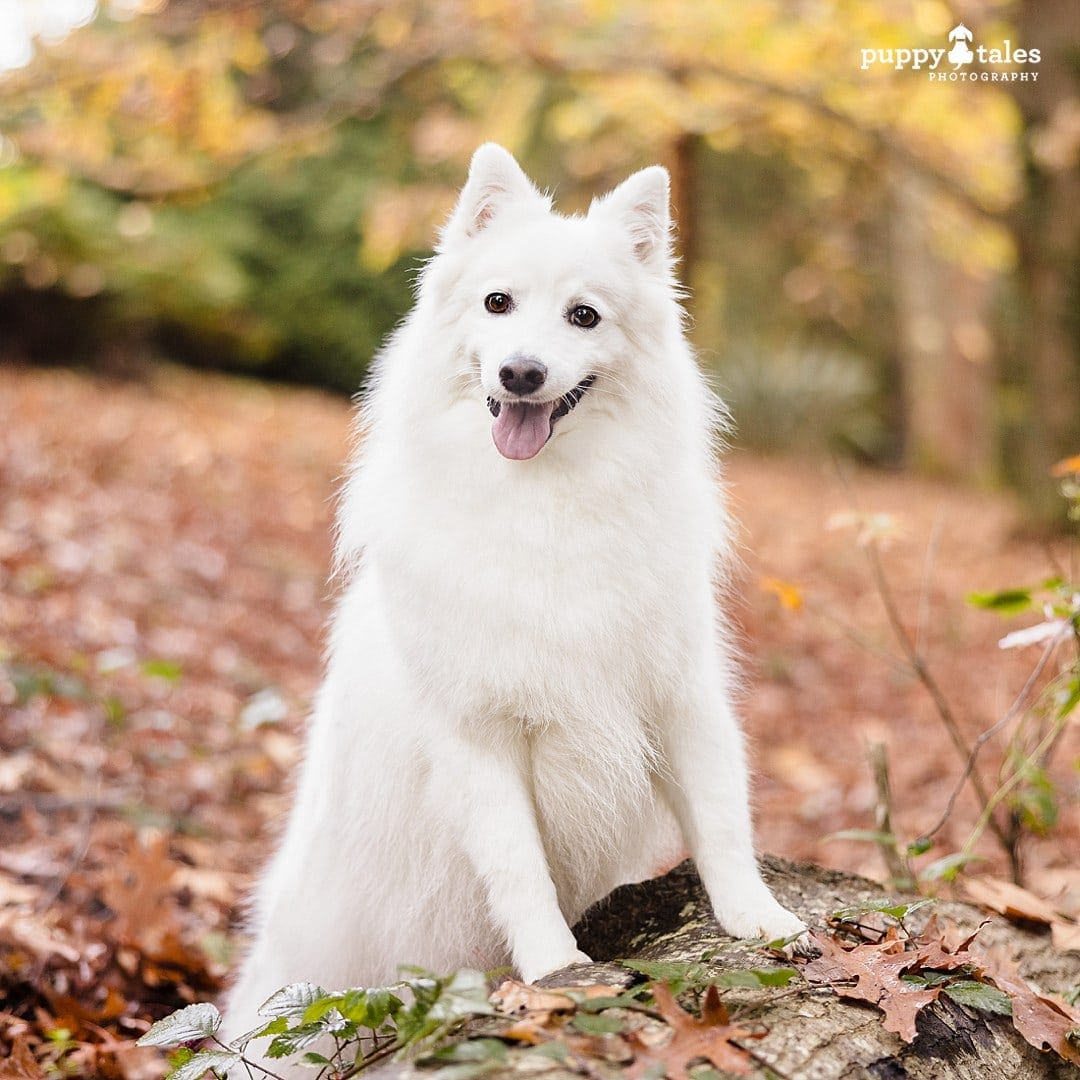
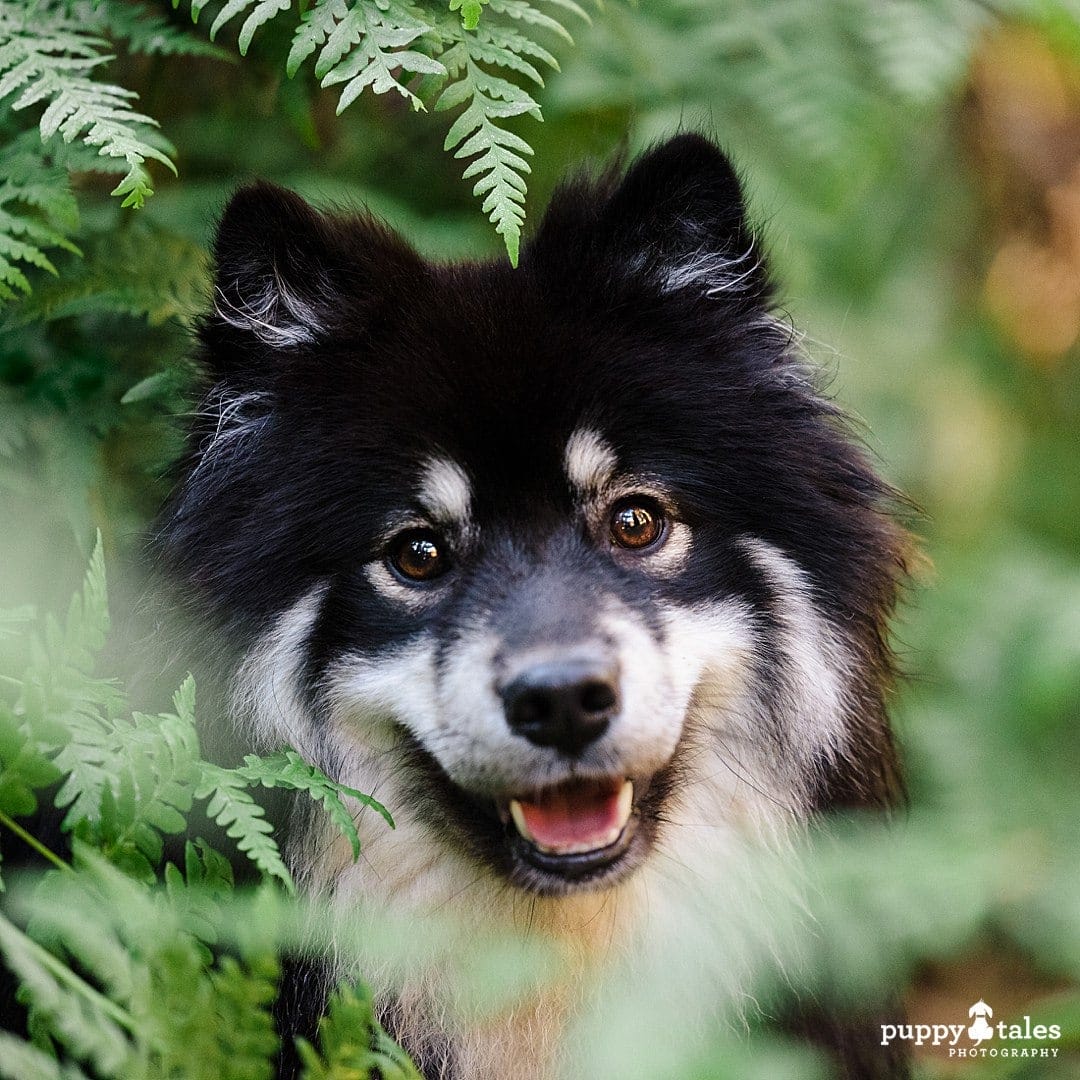
Eyes, mouth, and ear positions convey mood.
- Relaxed eyes and open mouth: calm and content
- Wide eyes and tense mouth: stress or fear
- Ears back: submission or anxiety
Common Dog Behaviors and Their Meanings
Wagging Tail
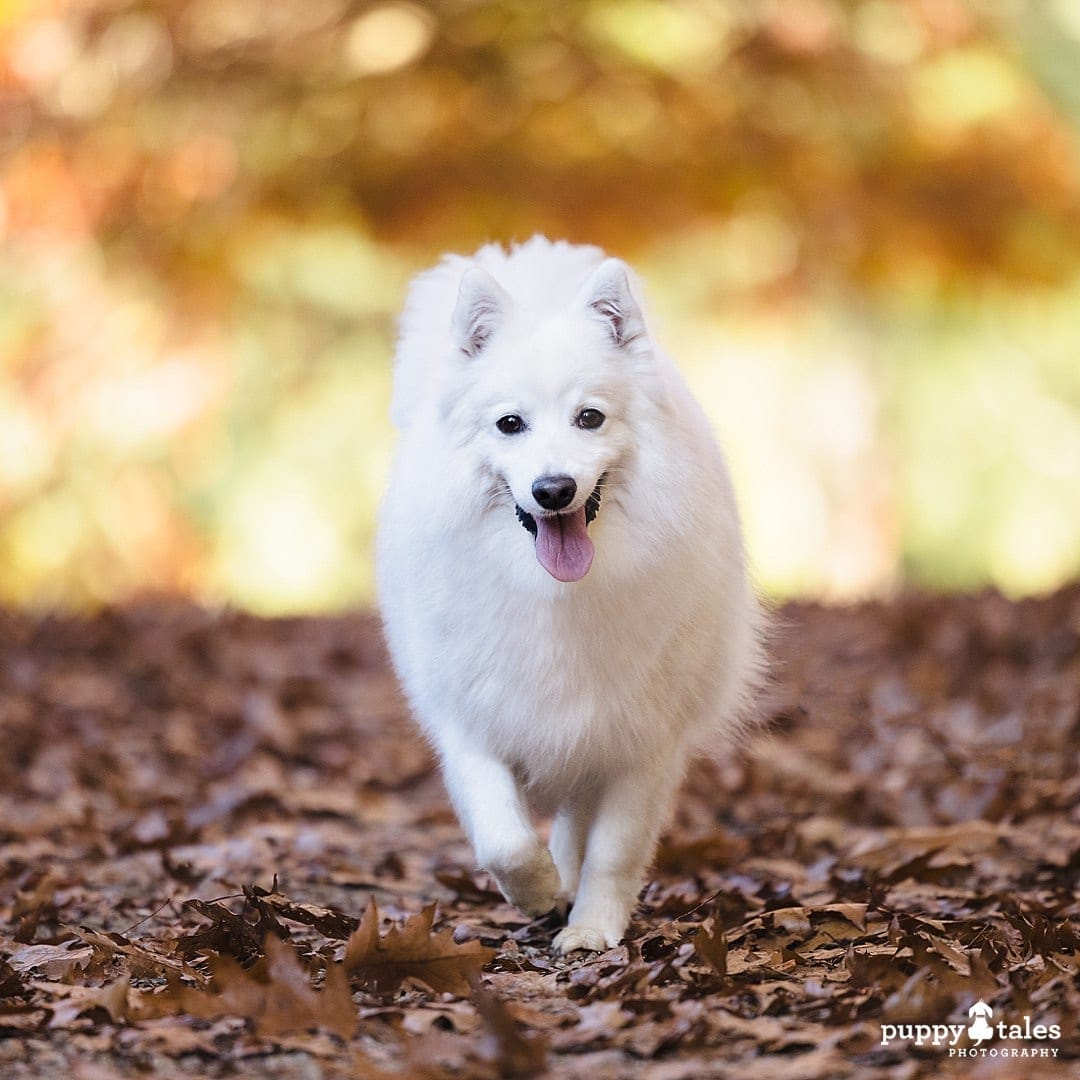
- Fast, loose wag: excitement or happiness
- Slow or stiff wag: uncertainty or potential aggression
- Tail tucked: fear or submission
Barking
- Context matters: alarm, play, or communication
- Persistent barking may indicate boredom or anxiety
Growling
- Warning signal of discomfort or territorial behavior
- Can occur during play; observe accompanying body language
Whining
- Signals stress, pain, or desire for attention
- Often accompanied by pacing, pawing, or vocal cues
Jumping
- Greeting behavior or attention-seeking
- Can be managed through training
Digging
- Natural instinct, boredom, or seeking comfort
- Provide enrichment to reduce destructive digging
Chewing
- Normal for puppies; adult chewing can indicate boredom or anxiety
- Offer appropriate chew toys to redirect behavior
Licking
- Social behavior, grooming, or stress signal
- Excessive licking may indicate medical issues
Humping
- Play, dominance, or excitement
- Can be redirected with training and alternative activities
Aggression and Fear
Causes of Aggression
- Territorial defense
- Fear or anxiety
- Pain or illness
- Resource guarding
Recognizing Fear Signals
- Cowering, trembling, avoiding eye contact
- Tail tucked or ears back
- Growling or barking
Managing Aggressive Behavior
- Avoid punishment-based methods
- Consult a professional behaviorist
- Use desensitization and positive reinforcement
Socialization and Its Role in Behavior
Socialization reduces fear and aggression.
- Early exposure to people, pets, and environments
- Positive experiences during critical development stages
- Continuous socialization throughout life
Training and Behavior Modification
Training helps manage behavior and strengthen owner-dog communication.
- Use positive reinforcement for desired behavior
- Redirect unwanted behavior rather than punish
- Set consistent rules and boundaries
Behavioral Issues and Prevention
Separation Anxiety
- Occurs when dogs are left alone
- Prevent with gradual desensitization
- Provide toys or interactive feeders
Destructive Behavior
- Often linked to boredom, anxiety, or lack of exercise
- Provide physical and mental stimulation
Excessive Barking
- Address underlying causes
- Train quiet commands and reward calm behavior
Environmental Factors Affecting Behavior
- Noise, space, and stimuli affect comfort and stress
- Consistent routines reduce anxiety
- Safe and enriched environments support positive behavior
Health and Behavior
Health issues can affect behavior:
- Pain may cause aggression or withdrawal
- Digestive problems can lead to irritability
- Regular veterinary care supports stable behavior
Breed-Specific Behavioral Traits
- Herding breeds may exhibit chasing behavior
- Guard breeds may show territorial instincts
- Toy breeds may demand attention and react to small changes
- Awareness helps tailor training and expectations
Recognizing Stress and Anxiety
Signs include pacing, yawning, lip licking, panting, and hiding. Identifying stress early allows intervention before escalation.
Positive Reinforcement
- Reward desired behavior with treats, praise, or play
- Encourages repetition of positive behavior
- Builds trust and strengthens training effectiveness
Avoiding Punishment-Based Methods
- Physical punishment increases fear and aggression
- Avoid yelling, hitting, or using aversive tools
- Focus on redirection and positive reinforcement
Understanding Puppy Behavior
- Puppies explore through chewing, digging, and biting
- Early training and socialization are critical
- Consistent routines teach boundaries and commands
Understanding Senior Dog Behavior
- Senior dogs may have reduced energy and altered behavior
- Pain or cognitive changes can affect responsiveness
- Adjust expectations and routines accordingly
Tools for Monitoring Behavior
- Keep a journal of behavior patterns
- Note triggers, frequency, and context of unwanted behavior
- Use tracking for training progress and veterinary consultation
Signs That Require Professional Help
- Uncontrolled aggression
- Severe anxiety or phobias
- Destructive behavior causing harm
- Sudden behavior changes
Building a Strong Owner-Dog Relationship
- Consistent training and positive interactions
- Daily exercise, play, and socialization
- Regular observation and understanding of signals
- Mutual trust and respect support behavior management
Conclusion
Understanding dog behavior is essential for effective care, training, and safety. Dogs communicate through body language, vocalizations, and actions. Awareness of common behaviors, stress signals, and breed tendencies helps owners respond appropriately. Socialization, positive reinforcement, mental stimulation, and health monitoring support stable and predictable behavior. By observing and responding to dogs’ needs, owners can strengthen bonds, prevent behavioral problems, and ensure the well-being of their pets.