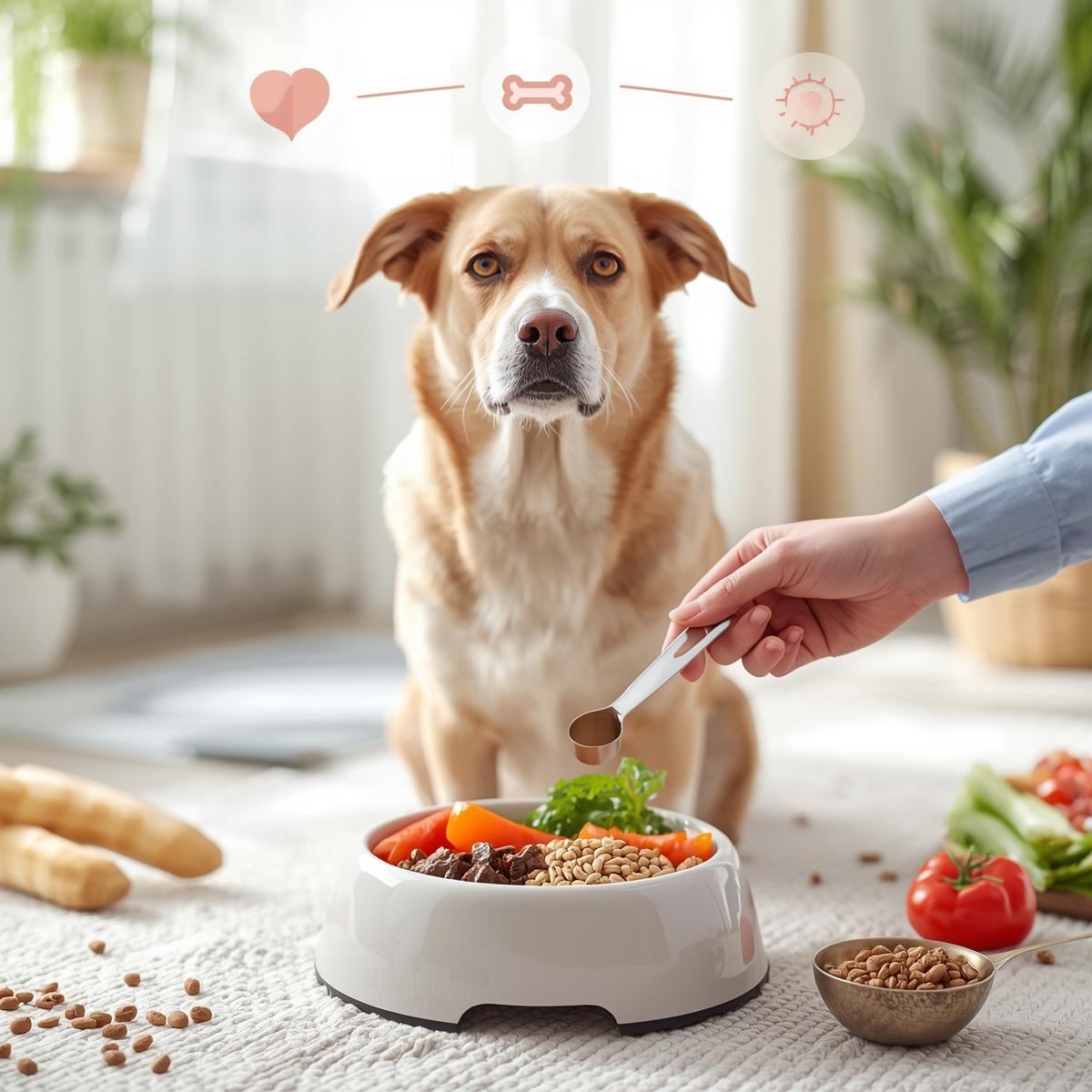
Dogs require proper nutrition for growth, energy, and health. A balanced diet supports organ function, muscle development, immune response, and overall well-being. Feeding dogs without guidance can lead to nutrient deficiencies, obesity, or illness. This article provides a comprehensive guide on creating the best diet plan for dogs, including types of food, portion management, nutritional requirements, and special considerations.
Table of Contents
- Introduction
- Importance of a Balanced Diet for Dogs
- Nutritional Requirements
- Proteins
- Fats
- Carbohydrates
- Vitamins
- Minerals
- Water
- Types of Dog Food
- Commercial Dry Food
- Commercial Wet Food
- Raw Diet
- Homemade Cooked Meals
- Age-Specific Diet Plans
- Puppies
- Adult Dogs
- Senior Dogs
- Breed-Specific Considerations
- Portion Control and Feeding Schedule
- Transitioning Between Foods
- Special Dietary Needs
- Weight Management
- Allergies and Food Sensitivities
- Medical Conditions
- Treats and Snacks
- Foods to Avoid
- Monitoring Dog Health Through Diet
- Common Feeding Mistakes
- Integrating Diet with Exercise
- Consulting a Veterinarian
- Conclusion
Introduction
A proper diet is essential for dogs to maintain energy, growth, and longevity. Dogs of different ages, sizes, and activity levels have varying nutritional requirements. Owners should provide a balanced diet tailored to their dog’s individual needs. Regular monitoring, portion control, and quality food selection are key components of a diet plan.
Importance of a Balanced Diet for Dogs
Balanced nutrition ensures that dogs receive all essential nutrients. Proteins support muscle development, fats provide energy, carbohydrates supply fuel, and vitamins and minerals support body functions. An imbalanced diet can lead to deficiencies, digestive issues, obesity, or organ problems.
Nutritional Requirements
Proteins
Proteins are critical for muscle maintenance, tissue repair, and immune function. Sources include meat, fish, eggs, and legumes. Puppies and active dogs require higher protein levels than sedentary adult dogs.
Fats
Fats provide energy, support cell function, and aid in nutrient absorption. Essential fatty acids support skin, coat, and joint health. Sources include fish oil, chicken fat, and plant oils.
Carbohydrates
Carbohydrates supply energy for daily activity. They also aid digestion through fiber. Sources include rice, oats, potatoes, and vegetables.
Vitamins
Vitamins support metabolic processes, immunity, and organ function. Dogs require vitamins A, D, E, K, and B-complex. Vitamin requirements may vary with age and health.
Minerals
Minerals such as calcium, phosphorus, potassium, and iron are essential for bone health, nerve function, and oxygen transport.
Water
Water is essential for hydration, digestion, and temperature regulation. Fresh water should be available at all times.
Types of Dog Food
Commercial Dry Food
Dry food provides convenience, portion control, and dental benefits. Quality dry food contains balanced nutrients and long shelf life.
Commercial Wet Food
Wet food offers moisture content and palatability. It can supplement dry food or be used exclusively if balanced.
Raw Diet
Raw diets include uncooked meat, organs, and bones. Owners must ensure proper hygiene and nutrient balance to prevent deficiencies or contamination.
Homemade Cooked Meals
Home-cooked meals allow control over ingredients. Diet must include protein, fats, carbohydrates, and supplements to meet nutritional requirements.
Age-Specific Diet Plans
Puppies
- Require higher protein and fat levels
- Frequent meals, usually three to four times daily
- Support growth, immunity, and energy
Adult Dogs
- Balanced diet to maintain weight and health
- Two meals daily
- Portion control to prevent obesity
Senior Dogs
- Reduced calories to prevent weight gain
- Increased fiber for digestive health
- Supplements for joint support and immunity
Breed-Specific Considerations
Different breeds have varying nutritional needs. Large breeds require controlled calcium and phosphorus to support bone development. Small breeds require calorie-dense food to maintain energy levels. Active working dogs need higher protein and energy content.
Portion Control and Feeding Schedule
Proper portion control prevents obesity and digestive issues.
- Measure food based on weight, age, and activity
- Split daily intake into two or three meals
- Adjust portions as activity level or weight changes
- Avoid free-feeding unless recommended
Transitioning Between Foods
Switching food types requires gradual adjustment.
- Mix old and new food over 7-10 days
- Observe for digestive upset
- Avoid sudden changes to prevent diarrhea or vomiting
Special Dietary Needs
Weight Management
- Calculate calorie requirements
- Avoid high-calorie treats
- Increase exercise if needed
Allergies and Food Sensitivities
- Identify trigger ingredients
- Use hypoallergenic or limited-ingredient diets
- Monitor for skin, digestive, or behavioral reactions
Medical Conditions
- Dogs with kidney, liver, or heart conditions require specialized diets
- Veterinary guidance ensures proper nutrient balance
- Regular monitoring is essential
Treats and Snacks
Treats support training and bonding.
- Use in moderation to avoid excess calories
- Choose healthy, dog-safe options
- Include treats in daily caloric intake calculations
Foods to Avoid
Certain foods are toxic to dogs:
- Chocolate
- Grapes and raisins
- Onions and garlic
- Caffeine
- Alcohol
- Xylitol-containing products
Monitoring Dog Health Through Diet
Daily observation helps owners adjust diet:
- Monitor weight changes
- Track energy levels and activity
- Observe stool consistency
- Note changes in coat, skin, or appetite
Common Feeding Mistakes
- Overfeeding or underfeeding
- Feeding inappropriate human food
- Ignoring special dietary needs
- Inconsistent feeding schedule
Integrating Diet with Exercise
Exercise complements diet for weight maintenance, muscle tone, and overall health. Active dogs may require higher caloric intake. Sedentary dogs require portion adjustments to prevent weight gain.
Consulting a Veterinarian
Veterinary guidance ensures a diet plan meets individual needs.
- Schedule dietary consultations during checkups
- Discuss supplements, allergies, or medical conditions
- Adjust diet based on life stage, breed, or activity
Conclusion
A proper diet plan ensures dogs receive essential nutrients for energy, growth, and health. Feeding according to age, size, activity level, and health needs maintains body condition and prevents disease. Portion control, food type, treats, and monitoring are key components. Veterinary guidance and observation help adjust the diet as required. Integrating nutrition with exercise, mental stimulation, and preventive care promotes long-term health and well-being.